
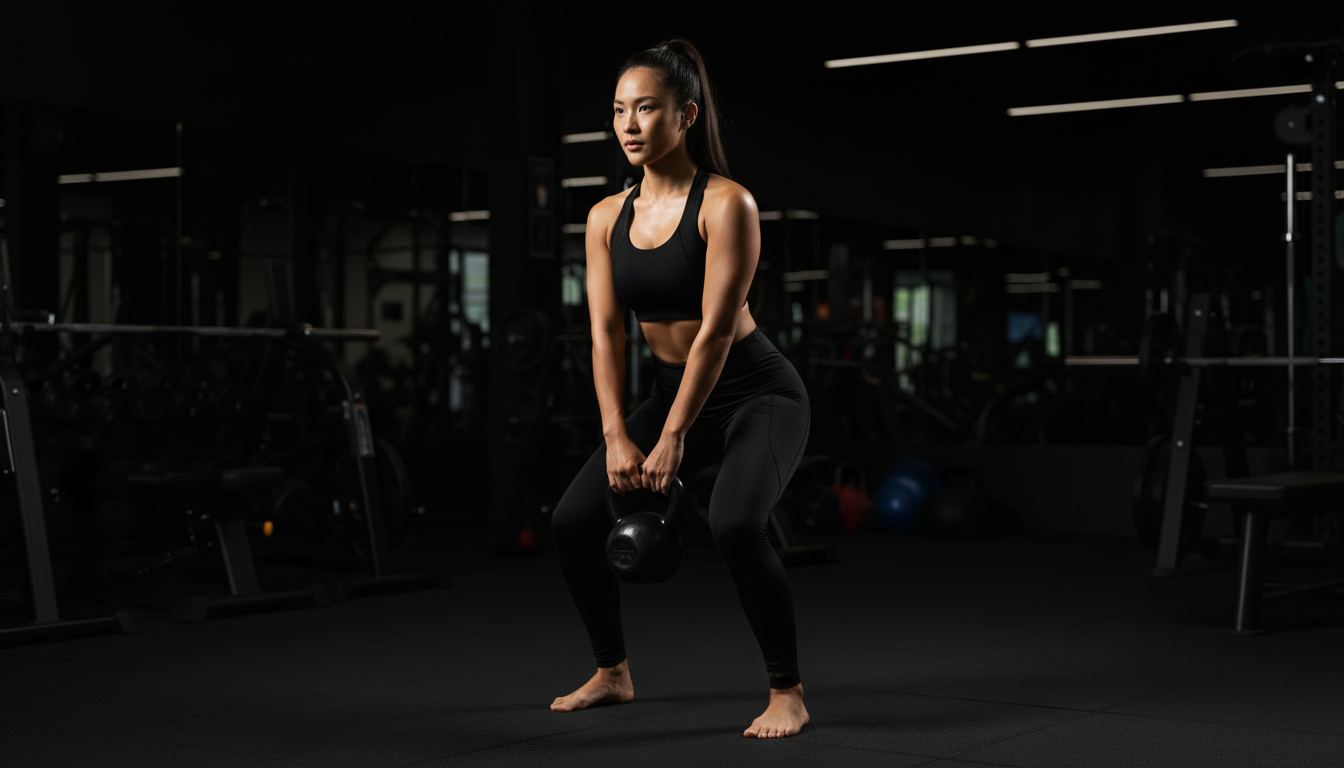

What Is Athletic Aesthetics? Beyond Looks to Lasting Performance
Aug
Defining Athletic Aesthetics: More Than Muscle, Less Than Vanity
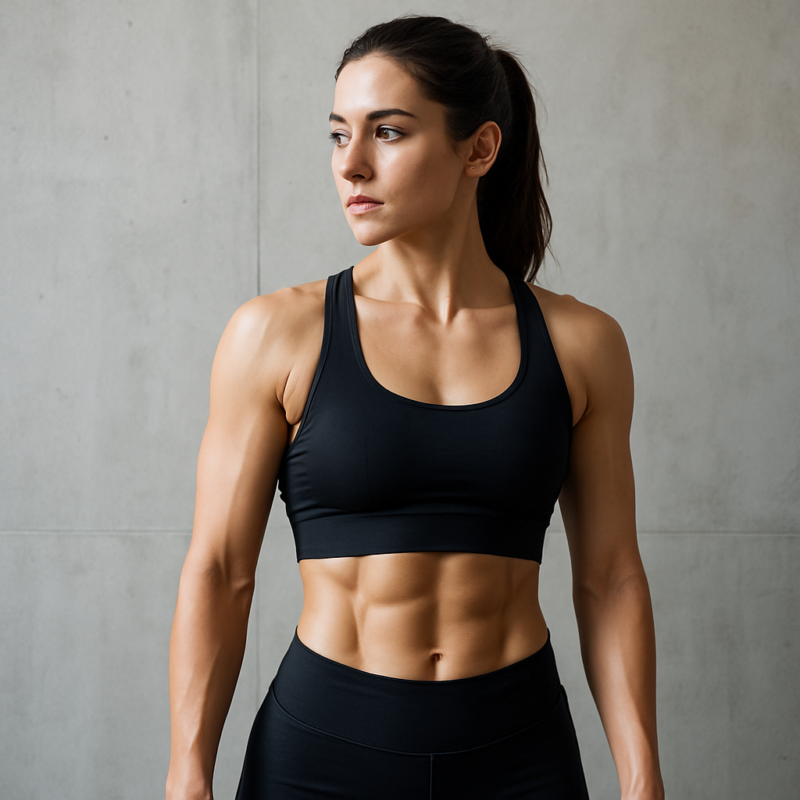
When someone mentions What Is Athletic Aesthetics, it’s easy to conjure up an image of chiseled abs, a wide set of shoulders, and that head-turning physique you might spot both sprinting down a track and posing in a fitness mag. But honestly, if we only focus on the “look,” we’re missing the real magic. At its core, athletic aesthetics is so much more than just a sculpted exterior—it’s a way of thinking. It’s about crafting a body that doesn’t just look strong, but actually is strong, agile, and ready for whatever life throws its way. Athletic aesthetics lives at that sweet spot where performance and appearance overlap—where form follows function, but neither has to play second fiddle.
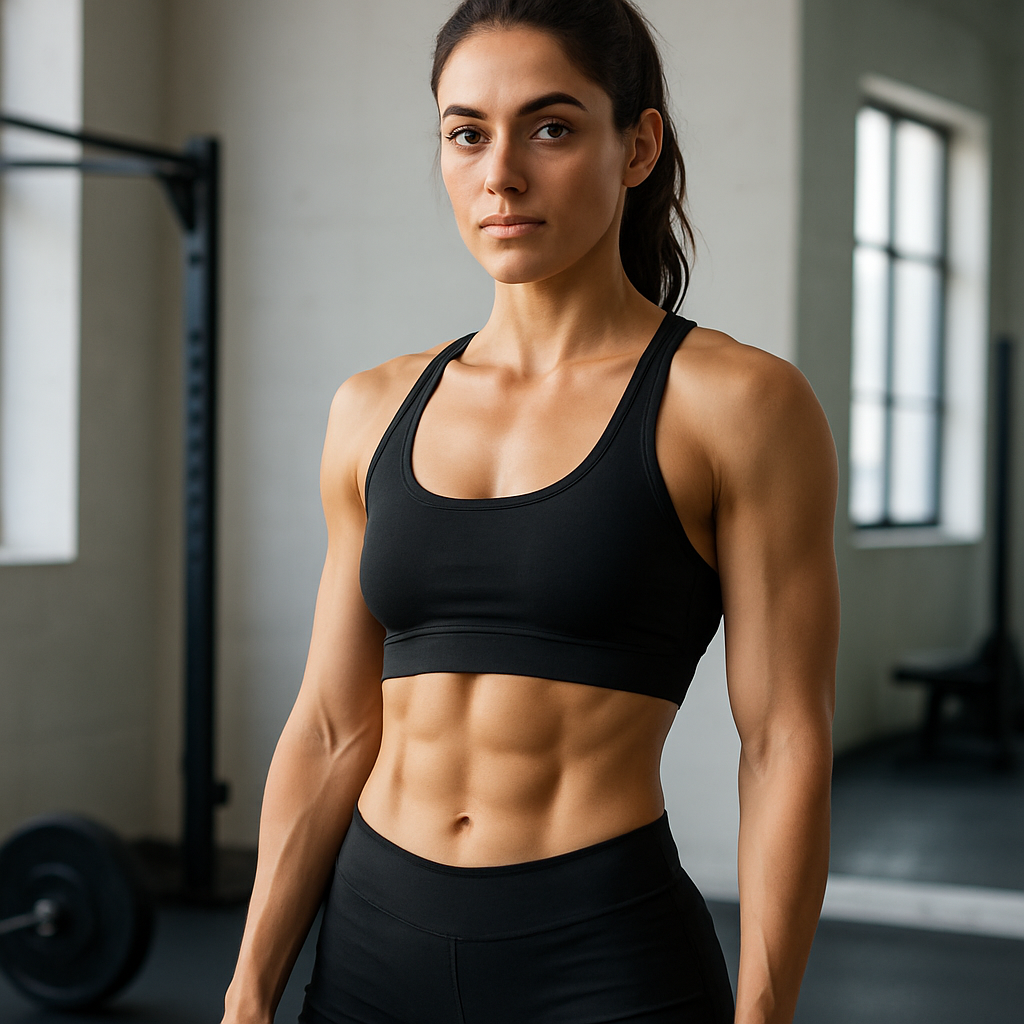
For us, athletic aesthetics signals a shift in mindset. It’s not about chasing sheer size or being ultra-lean just for the sake of numbers on a scale, or the reflection in a mirror. Instead, it’s about building a body that tells a story—a story of capability, effort, and real-life usefulness. This approach appeals to just about everyone, whether you’re a weekend hiker, glued to a desk all week, or training for a competition. Wanting to look strong and move well? That’s a goal that’s both sustainable and genuinely rewarding. Unlike the pursuit of old-school bodybuilding or physique training, which is all about the visual endgame, athletic aesthetics is about building a body that can back up its looks with action.
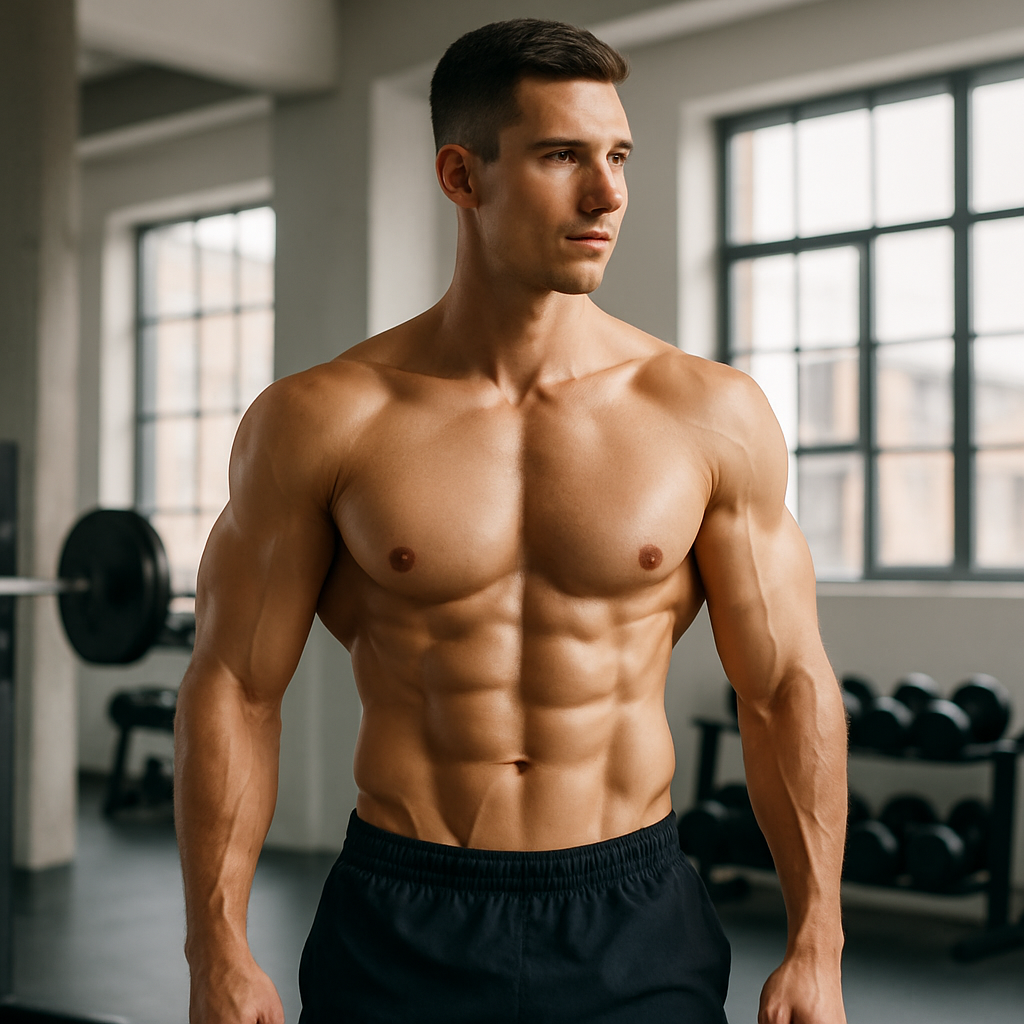
Take gymnasts, for example—they’re the poster kids for athletic aesthetics. Their muscles aren’t just for show. Every bit of their physique serves a purpose, honed by countless hours of working on explosive power, flexibility, and skill. Behind every defined muscle is a story of hard work and resilience. That’s what athletic aesthetics is really about: a look that’s earned through a process that balances gaining real, usable strength with visible changes. It’s this blend of form and function that draws so many beginners in. After all, who wouldn’t want a path that feels both practical and inspiring?
It’s also worth noting: there’s no single template for the “athletic” body. The athletic aesthetic comes in all shapes and sizes. Think of the lean, wiry build of a sprinter; the muscular, solid frame of a CrossFit athlete; or the dynamic, balanced proportions of a soccer player. What ties all of them together isn’t a bodyfat percentage or bicep measurement, but rather the demands of their chosen activity. These are bodies built for action, not just admiration. By making movement quality, skill, and overall fitness the focus, we end up with bodies that turn heads both in the mirror and in motion.
So, if you’re still wondering “What is athletic aesthetics?”, here’s our take: it’s about chasing a body that’s as capable as it is eye-catching, where every muscle means something and every curve serves a real purpose.
The Principles Behind the Athletic Look
What really sets athletic aesthetics apart from other approaches to fitness is its foundation in functionality. Instead of isolating muscles just to make them bigger, the focus shifts to compound movements, agility, and mobility. Don’t get me wrong—it’s not like we’re ignoring aesthetics. Far from it! Looking good is just a happy side effect of moving well, training smart, and treating the body like a high-performance machine instead of a display piece.
Here’s what guides our training philosophy:
- Multi-planar movement: We don’t just move up and down; we move in every direction for well-rounded development.
- Relative strength: It’s not just about getting stronger, but about how strong you are for your size—so you stay nimble, not just big or bulky.
- Endurance and explosiveness: We blend sprints with longer stamina work to build a body that’s prepared for both all-out bursts and going the extra mile.
- Mobility and flexibility: Keeping joints healthy and increasing your range of motion pays off in posture, performance, and that signature “ready for action” muscle tone.
- Balanced nutrition: The focus is on fueling the body for performance and recovery—think quality over restriction, and eating to thrive, not just to shrink.
In other words, the athletic aesthetic isn’t just about looking like you could run, jump, and lift; it’s about actually being able to do those things. The look is simply the result of training for ability. And honestly, that’s such a refreshing change from the endless loop of bulking up and cutting down that dominates so much of the fitness world. Our approach is all about sustainability—treating the body as a tool for living an active life, not just something to pose with.
Symmetry and proportion are also at the heart of this philosophy. While bodybuilders often chase after maximum muscle in specific areas, athletic aesthetics is about harmony and balance—no single muscle group runs the show. That’s why gymnasts, swimmers, and track athletes often have physiques people call “ideal.” Every muscle is trained to contribute to performance, and the result is a balanced, pleasing silhouette. For newcomers, this means less risk of injury or burnout from over-focusing on one area, and a look that actually ages well.
We always suggest beginners track their progress in two ways: through the skills they pick up and the changes they see. There’s a real thrill in nailing your first pull-up, perfecting your squat, or shaving seconds off your mile. These moments of progress are incredibly motivating—and guess what? They help create the visual hallmarks of athletic aesthetics: defined shoulders, a V-shaped torso, and legs that practically shout “let’s go!” whenever you see them.
How to Train for Athletic Aesthetics: A Beginner’s Roadmap
If the idea of athletic aesthetics lights a spark but you’re not sure how to start, don’t worry—you’re not alone. We recommend a training setup that mixes strength, skill work, and conditioning, especially in the early days. Don’t rush into specializing; instead, focus on building a broad foundation that boosts both how you look and what you can do. Here’s how we typically guide beginners:
Aim for three to four full-body sessions a week. Put your energy into compound lifts—think squats, deadlifts, bench presses, and rows or pull-ups. These movements recruit tons of muscle and mirror real-life movement. Sprinkle in athletic drills too, like box jumps, shuttle runs, or zipping through agility ladders, to ramp up your speed and coordination. And don’t skip core work, but instead of endless sit-ups, focus on anti-rotation and stability moves—planks, Pallof presses, hanging leg raises. Trust us, your posture (and your back) will thank you.
Mobility work is non-negotiable, no matter how busy you are. Take a few minutes after every workout for some dynamic stretching and joint TLC. It’s not just about avoiding injury—it’s key to developing that upright, confident posture that screams “athletic.” As for cardio, forget grinding away on the treadmill for hours. Opt for interval training or circuits—this way, you build up your heart and lungs without sacrificing muscle.
When it comes to nutrition, keep the focus on performance. That means protein-rich meals, a rainbow of veggies, solid fats, and smart carbs around your workouts. Don’t ignore hydration or sleep, either; both are deal-breakers for recovery, energy, and that healthy, “alive” look that sets athletic aesthetics apart from simply being lean.
Set yourself some skill-based goals alongside the visual ones. Maybe you want to crush your first pull-up, clock a sub-8-minute mile, or finally hold a handstand. Every one of these milestones gives you another reason to keep pushing forward, and—bonus!—each goal helps shape your body in a unique, functional way. Don’t forget to celebrate those wins. They’re just as much a part of your journey as dropping inches or gaining definition.
One of the best things about this approach? It really is for everyone. You don’t need to be genetically blessed or have hours each day to spare. Athletic aesthetics is about working with what you’ve got, respecting your limits, and slowly discovering just how impressive and capable your body can become when you show up consistently and train with purpose.
Common Myths and Mistakes to Avoid on the Athletic Path
Let’s be honest: Despite its popularity, athletic aesthetics is still pretty misunderstood in some circles. There are a few myths we hear so often they start to sound like gospel. Time to clear the air:
- Myth 1: “You have to train like a pro athlete to look athletic.” Not even close! Most people see amazing changes with just three to five well-planned sessions a week. More hours doesn’t always mean better results.
- Myth 2: “Doing cardio will wipe out your muscle gains.” Here’s the truth: When you plan your conditioning smartly, it actually helps your recovery, keeps you lean, and amplifies that athletic look.
- Myth 3: “You can’t get stronger and look good at the same time.” Wrong again! With the right mix of compound lifts and progressive overload, you can absolutely have both strength and aesthetics.
Another easy trap? Getting distracted by shiny new trends and fancy social media workouts instead of nailing the basics. Sure, those viral routines can be fun to try, but nothing beats solidifying your foundation first. And let’s talk about dieting for a second—going too hard on restriction or cutting can leave you drained and give you that flat, depleted look (not exactly “athletic”). Athletic aesthetics should be about energy, not burnout.
Patience is key, too. If you’re used to crash diets or “30-day transformations,” progress here can feel a little slow. But while the mirror might not change overnight, your strength and skills will improve quickly—and those wins keep you motivated. Most importantly, stop comparing your timeline to someone else’s highlight reel. Genetics, age, and lifestyle all play a role, but honestly? Consistency always wins out in the end. Your version of the athletic aesthetic is going to be uniquely yours, and that’s exactly how it should be.
Why Athletic Aesthetics Is the Future of Fitness
We genuinely believe athletic aesthetics isn’t just another fitness fad—it’s a homecoming to what fitness should really be about: being capable, resilient, and confident in your own skin. More and more people are growing tired of the extremes—whether it’s endless bodybuilding cycles or marathon cardio sessions. Instead, training for both form and function is catching on, and for good reason. It’s a method that honors the body’s design, celebrates adaptability, and delivers results that last a lifetime (not just for summer).
What excites us most is the ripple effect. When you train for athletic aesthetics, you’re not just sculpting muscle or shedding fat—you’re building a body that pays off everywhere in life. Whether you’re chasing your kids around, hiking new trails, or just lugging groceries up a flight of stairs, your training serves you well outside the gym. The look you get from this process is just visible proof of the transformation happening beneath the surface.
We see athletic aesthetics as a movement for absolutely everyone, no matter where you’re starting from. It’s about progress, not perfection. The best time to begin is right now, and the best results come when you genuinely enjoy the journey. Zero in on what your body can do, and you’ll be amazed at how it ends up looking (and feeling) more athletic than you ever imagined.
If you’re game for a fitness path that’s as practical as it is visually rewarding, give athletic aesthetics a shot. Let’s build bodies that move us, inspire us, and stand the test of time—inside and out.
