
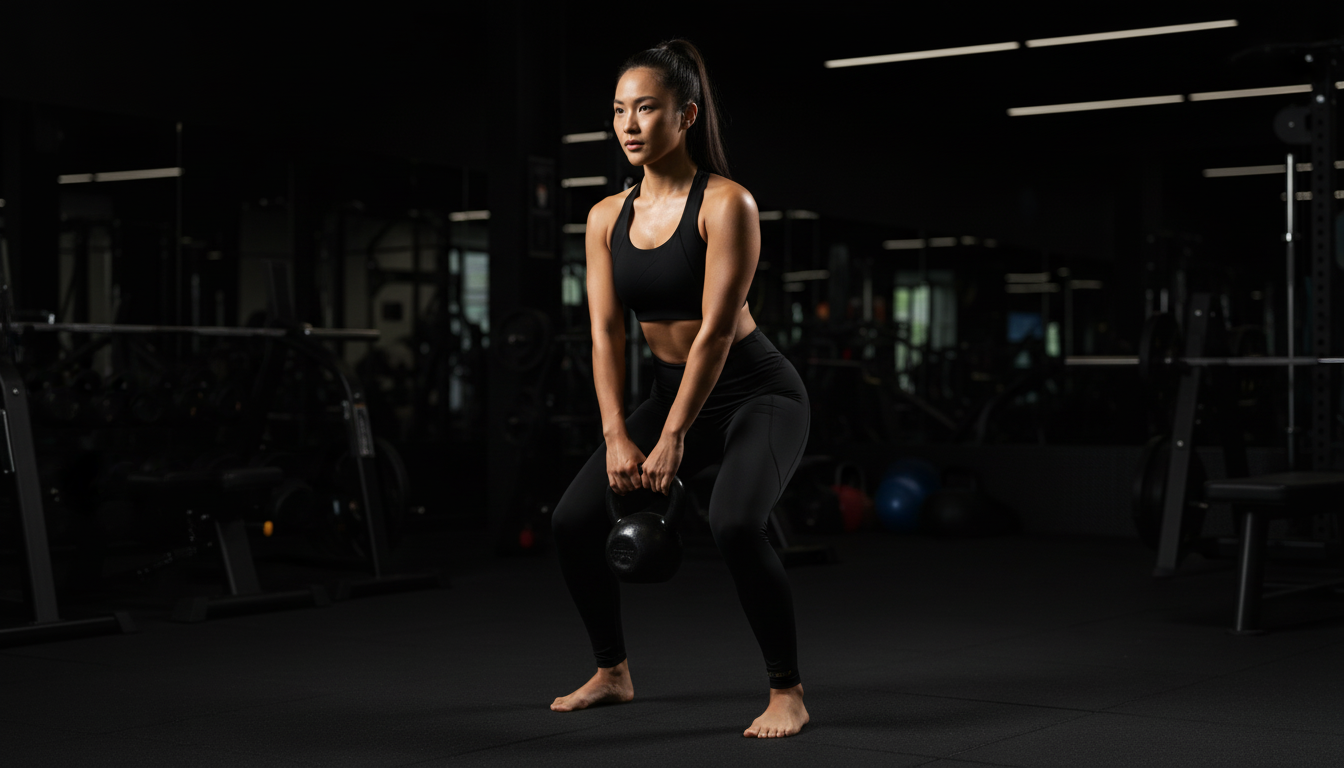

The Beauty of Movement: Exploring How Motion Shapes Mind, Body, and Expression
The beauty of movement lies in its ability to connect the mind, body, and emotions through intentional motion. Movement enhances physical health, supports emotional well-being, and offers a unique channel for self-expression, making it a vital aspect of holistic wellness. Across cultures and generations, movement has served as a way for people to gather, celebrate, heal, and communicate. Whether through ritual dances, athletic competitions, or mindful practices, movement is at the heart of what it means to be human. In modern times, as technology and sedentary lifestyles become more prevalent, consciously reclaiming the joy and intentionality of movement can help restore balance and vitality in daily life. By viewing movement as an integral part of overall wellness, rather than a separate or purely physical pursuit, we open ourselves to its transformative potential on every level.
What Makes Movement Beautiful Beyond Physical Fitness?
While movement is often associated with exercise and fitness, its beauty extends far beyond physical benefits. Movement is an expression of our inner world—our thoughts, feelings, and identities—manifested through the body. Whether it’s the fluid grace of dance, the meditative flow of yoga, or the dynamic energy of athletic pursuits, each form of movement tells a unique story. This expressive power allows us to communicate without words and to connect deeply with ourselves and others. As described by The Human Beauty Movement, embracing movement as an art form helps cultivate self-awareness and appreciation for what our bodies can do.
For instance, consider the art of contemporary dance, where performers use abstract gestures, leaps, and floor work to convey a spectrum of human emotions—joy, sorrow, longing, or freedom. Unlike spoken language, dance allows for nuances and subtleties that words often fail to capture. In yoga, the transition from one posture to another is not merely about flexibility or strength; it’s about the mindful presence, breath, and intention behind each motion. Such practices emphasize the mindful connection between breath and body, encouraging practitioners to listen inward and respond to the needs of the moment.
Movement also holds deep cultural significance. Traditional dances, such as the Hawaiian hula or the Indian bharatanatyam, are not only beautiful to watch but are steeped in history, spirituality, and storytelling. Each gesture, rhythm, and step carries meaning passed down through generations, linking participants to their heritage and collective memory. Even everyday movements—like the way someone greets a friend with a warm embrace or waves goodbye—have the power to transmit affection, respect, or gratitude. Through these actions, we experience the richness of human connection and the beauty inherent in the way we move through the world.
The aesthetic experience of movement is not limited to those with professional training or artistic backgrounds. Anyone can find beauty in their own motion, whether it’s the rhythm of a morning run, the stretch of reaching for something on a high shelf, or the simple act of breathing deeply. When we shift our perspective from seeing movement as a means to an end (such as burning calories or achieving a fitness goal) to appreciating it as a form of self-expression, we unlock a source of creativity and fulfillment. The body becomes an instrument through which we can explore, create, and celebrate our unique presence in the world.
How Does Movement Influence Mental and Emotional Well-being?
Intentional movement is closely tied to mental and emotional health. Physical activity triggers the release of endorphins, which can elevate mood and reduce stress. But beyond neurochemistry, mindful movement practices—such as somatic exercises and meditative flows—invite us to tune into our bodies and become present in the moment. This heightened awareness can foster resilience, help process emotions, and build a more compassionate relationship with oneself. Approaches like the somatic practice taught by Buti Movement emphasize holistic well-being, integrating breath, motion, and mindfulness for a transformative effect. Movement, in this sense, becomes a form of moving meditation that soothes the mind and nurtures emotional balance.
The impact of movement on mental health is well-documented. Individuals suffering from anxiety or depression often find relief through regular physical activity, as it helps regulate stress hormones and provides a constructive outlet for emotional energy. For example, rhythmic activities like running or swimming can induce a meditative state, sometimes referred to as “runner’s high,” where worries fade and the mind feels clear and focused. Even gentle movement, such as taking a slow walk in nature or practicing tai chi in a park, can interrupt ruminative thought patterns and offer a sense of peace and perspective.
Somatic practices, which focus on sensing and experiencing the body from within, are particularly powerful for emotional regulation. Techniques like body scanning, breathwork, or mindful stretching help individuals notice areas of tension, discomfort, or numbness—often physical manifestations of unprocessed emotions. By consciously moving and breathing into these areas, practitioners can release stored emotional energy and cultivate a sense of inner safety. This is especially valuable for those recovering from trauma, as movement offers a means to gently reconnect with the body and regain a sense of agency and self-trust.
Beyond individual well-being, movement can also strengthen social bonds and community mental health. Group classes, dance circles, or team sports provide opportunities for shared experiences and collective joy. The synchronization of movement—such as singing and swaying together at a concert or moving in unison during a yoga class—can foster a sense of belonging and mutual support. These communal experiences remind us that we are not alone in our struggles or our celebrations, and that movement can be a bridge to empathy and understanding.
Moreover, the emotional benefits of movement are not limited to structured or intentional practices. Everyday actions—stretching after waking, shaking out tension after a stressful meeting, or tapping your feet to music—can serve as micro-moments of emotional reset. By integrating movement into daily routines, we create accessible pathways to self-care and resilience, supporting our mental and emotional health in sustainable ways.
In What Ways Does Movement Enhance Self-Expression and Identity?
Movement is a powerful tool for self-expression, enabling us to communicate aspects of our identity that words cannot capture. Through posture, gesture, and rhythm, we reveal our confidence, vulnerabilities, and individuality. Artistic disciplines like dance and performance art illustrate how motion can express complex emotions or cultural stories. Even in everyday life, the way we walk, gesture, or interact physically with others sends signals about who we are and how we feel. As highlighted by TheBMovement, celebrating diverse ways of moving supports body positivity and inclusivity, allowing everyone to find beauty in their unique expression.
Consider how a dancer interprets a piece of music: their choices in movement—whether sharp and dynamic or soft and flowing—reflect personal style, emotional state, and even cultural influences. In the world of hip-hop, for example, dance battles are not just competitions of skill but also platforms for self-assertion and storytelling. Each dancer brings their personality, background, and experiences to the floor, making every performance unique and deeply personal. Similarly, in theater, an actor’s physicality—the way they carry themselves, use their hands, or modulate their gestures—adds layers of meaning to their character and narrative.
Outside of performance art, movement continues to shape how we see ourselves and how others perceive us. Our gait, posture, and body language communicate confidence, openness, nervousness, or hesitation—even before we speak. In professional settings, a firm handshake, upright posture, and purposeful stride can convey competence and assurance, while slumped shoulders or fidgeting may suggest insecurity or discomfort. Awareness of how we move and the messages we send can empower us to present ourselves authentically and intentionally in every aspect of life.
Movement is also deeply entwined with identity on a broader scale. For marginalized or underrepresented communities, reclaiming space through movement—such as through cultural dance, pride parades, or adaptive sports—can be a statement of visibility and self-acceptance. Inclusive movement spaces, where diversity of body shape, age, ability, and background are celebrated, help dismantle harmful stereotypes and promote a sense of belonging for all. Programs that encourage movement for people with disabilities, elders, or those new to fitness offer opportunities for everyone to find their voice and joy through motion.
Finally, movement can be a journey of self-discovery. Trying a new form of movement—be it salsa dancing, martial arts, or improvisational movement—can reveal hidden strengths, preferences, and facets of identity previously unexplored. By giving ourselves permission to experiment, play, and move in ways that feel authentic, we expand our sense of self and cultivate deeper self-acceptance. In this way, movement is not only a means of expression but a pathway to understanding and embracing who we truly are.
How Can Beginners Experience the Beauty of Movement?
For those new to exploring movement beyond conventional exercise, starting can be both exciting and approachable. Here’s a simple guide to experience the beauty of movement in daily life:
- Notice Your Movements: Pay attention to how you move throughout the day. Observe your posture, gait, and gestures without judgment.
- Try Different Modalities: Experiment with activities like yoga, tai chi, dance, or mindful walking. Each offers a unique way to connect with your body.
- Move with Intention: Set a purpose for your movement—whether it’s relaxation, self-expression, or exploration. Focus on the sensations and emotions that arise.
- Reflect and Express: After movement, take a moment to reflect. How did it make you feel? Did you discover something new about yourself?
- Incorporate Movement into Routine: Make mindful motion a regular part of your life. Even small, daily practices can build deeper awareness and appreciation.
For more on integrating movement into your lifestyle, our guide on modern approaches to wellness offers additional insights.
To begin, you don’t need special equipment, a gym membership, or prior experience. Start by tuning into the movements you already make—stretching when you wake up, standing up from a chair, reaching for a cup of coffee. Notice how your body feels during these motions. Are there areas that feel tight or stiff? Are some movements easier or more pleasurable than others? This simple act of noticing lays the foundation for greater body awareness and appreciation.
Next, venture beyond your routine with curiosity. Try a beginner-friendly yoga video online, attend a free community dance class, or join a walking group in your neighborhood. If you feel self-conscious, remember that everyone started somewhere and that the focus is on your experience, not performance or appearance. Experiment with different times of day, environments, or music to see what inspires you to move.
Intentionality is key to deepening your experience. Before you begin moving, set a gentle intention: “I want to feel more relaxed,” “I want to express something I’ve been holding in,” or “I want to have fun.” As you move, stay present with your breath, sensations, and emotions. Notice if your mind wanders or if judgments arise, and gently return your focus to the experience. Afterward, reflect for a moment—did you feel energized, calm, joyful, or surprised? Did a memory or emotion surface? Journaling or sharing your insights with a supportive friend can help integrate new discoveries and build confidence.
As you grow more comfortable, look for ways to weave movement into your daily routine. Take dance breaks while cooking, stretch while watching TV, or practice mindful walking during your lunch break. Consider setting gentle reminders on your phone or leaving a yoga mat visible to prompt regular practice. Over time, these small acts of mindful movement add up, creating a more vibrant, embodied, and joyful relationship with your body. Remember, the journey is personal—there is no right or wrong way to move, only what feels nourishing to you in each moment.
What Are Some Ways to Make Movement a Lifelong Source of Joy?
To sustain a joyful relationship with movement, it helps to focus on enjoyment and self-discovery rather than perfection or competition. Consider these strategies:
- Choose Activities You Love: Whether it’s hiking, dancing, swimming, or gentle stretching, select forms of movement that bring you pleasure.
- Connect with Others: Shared movement experiences, such as group classes or social sports, can foster a sense of community and motivation.
- Celebrate Progress: Recognize and appreciate your body’s abilities and growth, no matter how small.
- Adapt to Life Stages: Your movement preferences and capacities might change over time. Embrace adaptability and stay open to new ways of moving.
Ultimately, the beauty of movement lies in its capacity to nurture body, mind, and spirit, weaving together the threads of health, expression, and joy.
Building a lifelong relationship with movement starts with listening to your body and honoring what feels good. If you enjoy being in nature, regular hikes or outdoor walks can combine movement with the soothing effects of fresh air and natural scenery. For those who love music, dancing—whether at home, in a class, or at social gatherings—can be a joyful and expressive outlet. If you prefer quiet, introspective activities, practices like yoga, pilates, or tai chi offer a meditative approach that supports both flexibility and inner calm.
Connecting with others can also transform movement from a solitary activity into a source of social fulfillment. Joining a recreational sports league, participating in group fitness classes, or even starting a walking or stretching club with friends can provide accountability, encouragement, and a sense of belonging. The camaraderie developed through shared movement experiences often extends beyond the activity itself, fostering long-term friendships and mutual support.
Celebrating progress is crucial for sustaining motivation and joy. Instead of focusing solely on external measures like weight loss or skill mastery, pay attention to subtle shifts: increased energy, better sleep, improved mood, or greater ease in daily tasks. Keep a movement journal or take periodic “body scans” to note how your body feels and what you’re learning along the way. Recognize that progress is non-linear and that every step—no matter how small—is a victory worth honoring.
As life changes, so too will your relationship with movement. Injury, illness, pregnancy, aging, or shifting priorities may require you to adapt your routines. Rather than seeing these changes as setbacks, approach them with curiosity and compassion. Explore new modalities—such as chair yoga, water aerobics, or restorative practices—that meet you where you are. Seek guidance from professionals if needed, and remember that your worth and joy are not defined by what your body “can” or “cannot” do, but by the presence and care you bring to each moment of movement.
Finally, infuse playfulness and creativity into your movement practice. Try new activities, revisit childhood favorites (like skipping, hula-hooping, or roller skating), or invent your own movement rituals. Allow yourself to move without an agenda or goal, simply for the pleasure of it. By cultivating a spirit of exploration and self-kindness, movement becomes not just a habit but a lifelong source of vitality, connection, and joy.
Frequently Asked Questions About the Beauty of Movement
Can movement be considered an art form?
Yes, movement can be an art form, especially in disciplines like dance, performance, and expressive movement practices. These forms use motion to convey emotion, tell stories, and explore creativity without words.
How can someone with limited mobility enjoy the beauty of movement?
Movement can be adapted for all abilities. Gentle stretching, seated exercises, or mindful breathing can offer meaningful ways to connect with the body and experience the joy of movement, regardless of mobility level.
Is mindful movement the same as exercise?
Mindful movement focuses on awareness and intention rather than just physical effort. While all exercise involves movement, not all movement practices emphasize mindfulness or self-expression as primary goals.
Does movement always need to be structured to be beneficial?
No, spontaneous or unstructured movement—like dancing freely, stretching, or walking—can be just as beneficial for well-being as structured routines. The key is to move in ways that feel good and foster connection with your body.
What is a simple way to start exploring movement for self-expression?
Begin with music and let your body move naturally, focusing on how the rhythm makes you feel. There is no right or wrong way—just allow yourself to explore and express through motion.
Sources
