
Exploring the Trends in Bold Design Concepts
Sep
What makes a design truly stand out in today’s saturated market? As we navigate through the ever-evolving landscape of design, one thing is clear: boldness is taking center stage. bold design concepts can make or break a visual identity, creating memorable experiences for users or clients. Together, let’s embark on a journey into the world of bold design and discover the latest trends that inspire creativity and innovation.

The Essence of Bold Design
At its core, bold design is about making a statement. It shatters the mundane and invites audiences to take note. Whether through vibrant colors, unique typography, or eclectic layouts, bold design dares to push boundaries and captivate attention.
Characteristics of Bold Design
To truly understand bold design, we should familiarize ourselves with its key characteristics:
- Vivid colors: A palette that is loud and unapologetic can evoke strong emotions and communicate a brand’s identity.
- Unique typography: Typography that challenges traditional norms or creates memorable impressions captures attention.
- Innovative layouts: A departure from standard grid systems often leads to creativity that can surprise and delight.
- Strong visual imagery: Effective use of photography or illustrations that tell a story or convey powerful messages is essential.
Being ‘bold’ doesn’t always mean being loud; sometimes, it’s about having the confidence to be minimalist while still making a strong impact.
Trends in Bold Design Concepts
Now that we’ve grasped the essence of bold design, let’s investigate some notable trends that are reshaping the landscape. Each trend reflects an evolution in how we express creativity, both digitally and in print.
1. Maximalism: The Antithesis of Minimalism
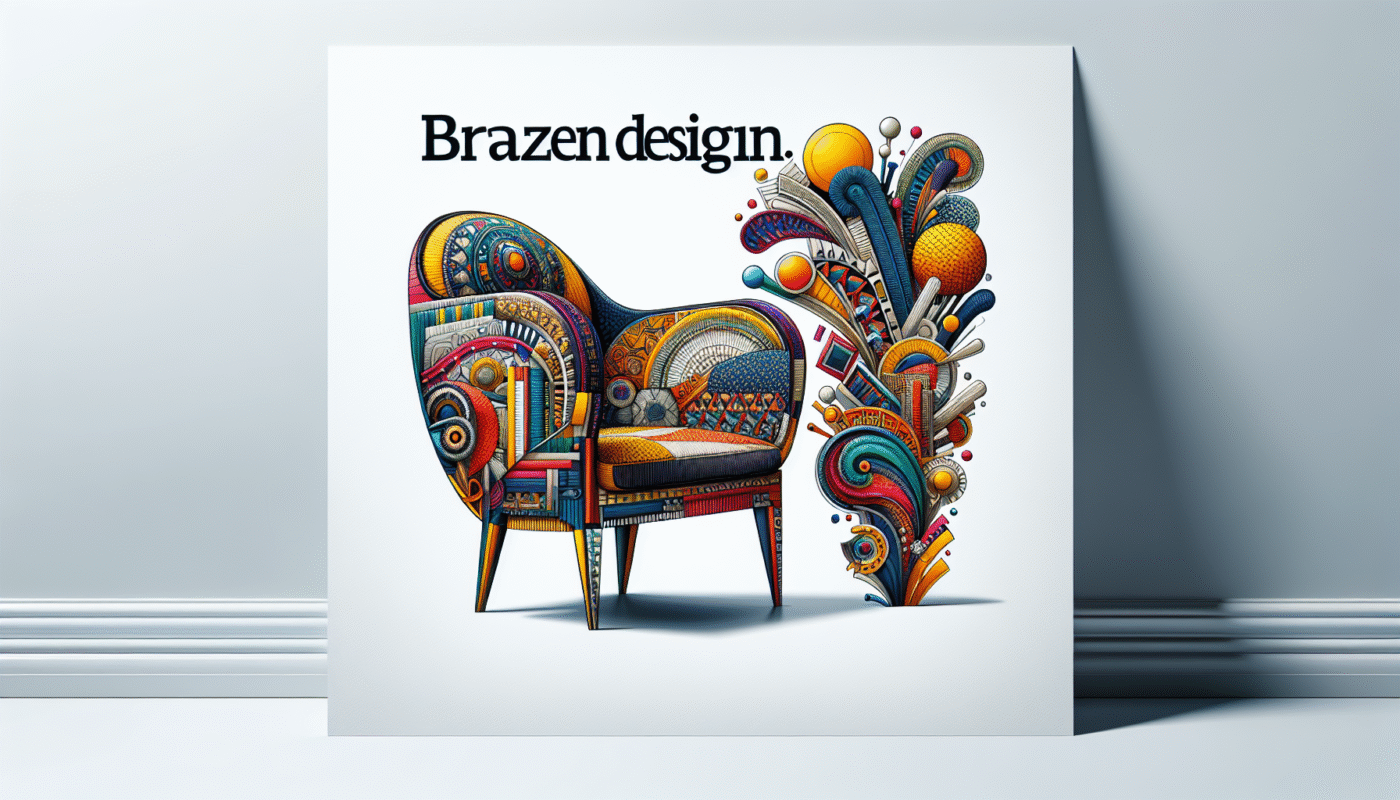
Maximalism is all about embracing abundance. Where minimalism thrives on simplicity, maximalism celebrates complexity, layering textures, and a mix of patterns. This trend encourages designers to experiment with bold colors and diverse elements, creating rich, immersive experiences.
Why Maximalism Works
- Visual storytelling: Maximalist design can evoke narratives through its complexity, inviting viewers to interpret and engage.
- Personal expression: In a world where individualism is cherished, maximalism allows the designer’s personality to shine through.
2. Dynamic Typography
Typography is evolving as designers play with scale, placement, and style. Dynamic typography uses typography as a central design element rather than merely a vessel for words.
Key Features of Dynamic Typography
- Scaling and layering: Bold, large-scale text can create a striking focal point.
- Contrasting styles: Mixing font styles and weights can produce an eye-catching hierarchy.
- Animation: Subtle movements attract attention on digital platforms, making the typography feel alive.
By using bold typography, we can craft messages that resonate deeply, enticing users to engage further.
3. Vibrant Grads and Duotones
The use of gradients and duotones breathes life into visuals. This colorful mélange can be both playful and sophisticated, offering versatility across various design applications.
The Appeal of Graduated Colors
- Depth and dimension: Gradients add layers that give a flat design depth and texture, making it more visually appealing.
- Brand identity: A well-chosen gradient can become synonymous with a brand, providing immediate recognition.
Many brands are capitalizing on vibrant gradients to enhance their visual stories, and it’s a trend we can expect to see grow.
4. Asymmetrical Layouts
Gone are the days of rigid, symmetrical designs. Asymmetrical layouts break the mold, creating a dynamic tension that draws the eye across the page.
The Advantages of Asymmetry
- Energetic and organic feel: Asymmetrical designs tend to feel more spontaneous and engaging, akin to a well-composed photograph.
- Fresh narratives: This style can represent divergent thoughts or paths, allowing for a more holistic storytelling approach.
By embracing asymmetry, we invite creativity and innovation into our designs, encouraging audiences to engage as they decode visual messages.
5. Illustration and Handmade Elements
Digital illustrations and handmade elements have become popular, providing a personal touch that resonates with audiences seeking authenticity.
The Importance of Authenticity
- Unique identity: Custom illustrations can set a brand apart, creating a unique and memorable identity.
- Emotional connection: Handcrafted visuals tend to evoke a sense of warmth and connection, making the audience feel valued.
We’re seeing designers integrate these techniques to maintain relevance in a market saturated with automated aesthetics.
6. Biophilic Design
Nature-inspired design is emerging as a key trend, tapping into our innate connection to the natural world. By incorporating organic forms, colors, and textures, biophilic design can evoke tranquility and balance.
Benefits of Biophilic Elements
- Stress reduction: Incorporating natural elements into a design can help reduce anxiety and promote well-being.
- Sustainability: Eco-friendly materials and processes are increasingly prioritized, reflecting a commitment to preserving nature.
Biophilic designs can elevate both personal and professional environments, fostering wellbeing through thoughtful aesthetics.
7. Bold Patterns and Textures
Patterns are making a comeback, with bold, intricate designs taking center stage. Whether used as a backdrop or focal point, they can transform the visual landscape.
The Role of Patterns and Textures
- Visual rhythm: Bold patterns create rhythm that guides the viewer’s eye, encouraging exploration.
- Rich experiences: Textures add tactile sensations, inviting users to engage on a deeper level.
Utilizing patterns and textures can create layers of meaning, enriching the overall design experience.
8. Mixed Media Approaches
Combining various design mediums—photography, illustration, and graphic design—creates a dynamic visual composition that stimulates the senses.
Why Mixed Media Works
- Diversity of expression: Mixing media allows for a rich storytelling experience, as each medium conveys different emotions or messages.
- Unique aesthetics: By blending techniques, we craft a signature look that is diverse yet cohesive, offering a feast for the eyes.
This approach encourages experimentation, leading to innovative designs that stand out in any crowd.

Applications of Bold Design Concepts
As we’ve seen, bold design concepts can be beautifully versatile. But how can we apply these trends across various industries? Let’s examine some contexts where bold design makes a significant impact.
Branding
In branding, bold design can set a company apart in a competitive marketplace. Unique logos, vibrant packaging, and striking advertising materials can create a memorable identity that resonates with customers.
Web Design
Websites that integrate bold design concepts can improve user engagement and retention. Eye-catching layouts, interactive typography, and immersive images can transform browsing into a captivating experience.
Print Media
From business cards to brochures, bold design in print media can capture attention and communicate brand messages effectively. The tactile nature of print combined with bold visuals can create lasting impressions.
Product Design
For products, bold design can enhance both functionality and aesthetics. Packaging that stands out on the shelf or an innovative product shape can significantly influence consumer choices.
Environmental Design
In spaces like offices or stores, bold design can create inviting and engaging environments. The use of creative layouts, colors, and materials can transform an area, making it more inviting and inspiring.
The Future of Bold Design
As we reflect on the trends shaping bold design today, we can’t help but wonder: what might the future hold? With emerging technologies and shifting cultural paradigms, the landscape of design will continue to evolve.
Integration of Technology
Technological advancements will undoubtedly influence bold design. Augmented reality (AR) and virtual reality (VR) are opening new avenues for creativity, allowing users to interact with designs in exciting ways.
Sustainability as a Key Focus
As we become increasingly aware of our environmental impact, sustainable design practices will become essential. Bold designs that prioritize eco-friendly materials and processes will lead the way in creating a harmonious relationship with nature.
Continuous Exploration and Experimentation
The spirit of innovation will push designers to constantly seek new ways of creating impactful experiences. This journey of exploration will result in designs that challenge norms and redefine the boundaries of creativity.
Conclusion: Embrace Bold Design
As we wrap up our journey through the world of bold design trends, we hope we’ve ignited a spark of inspiration. Bold design has the power to captivate attention, communicate messages, and create unforgettable experiences. As we venture forward, let us embrace these trends with an open mind, ready to pioneer boldly, playfully, and creatively.
By incorporating bold design concepts into our projects—whether personal or professional—we can enrich our visual environments and engage our audiences on a deeper level. Together, let’s continue to push the limits of creativity and design.