

What Is Athletic Aesthetics? A Real-World Guide to Building a Strong and Striking Physique
Jul
Understanding Athletic Aesthetics: More Than Just Looks
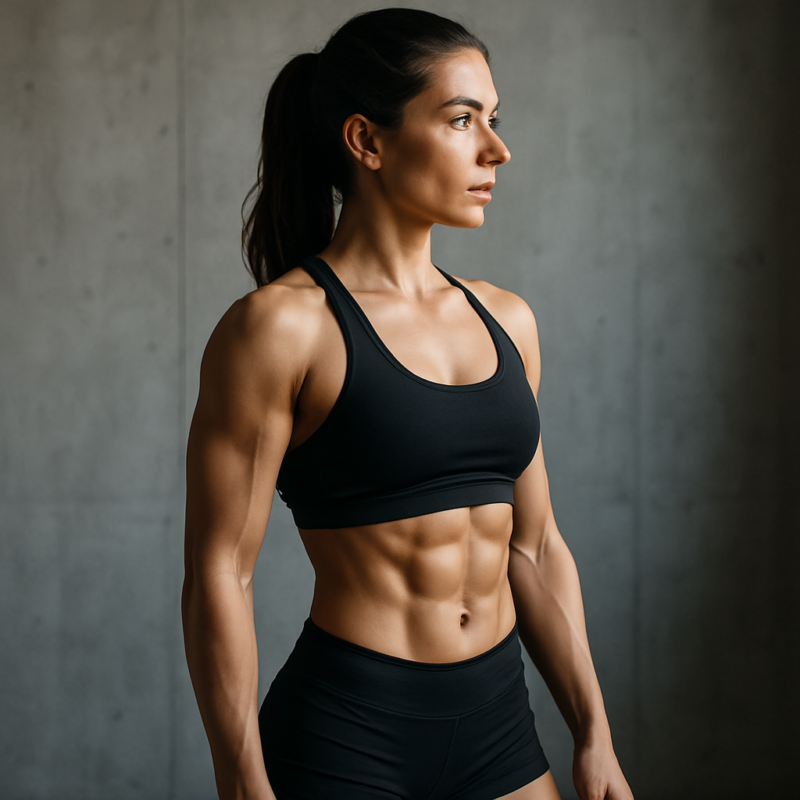
Let’s talk honestly about What Is Athletic Aesthetics. At first glance, it’s easy to think it’s just about chasing that sculpted “Instagram” look—rock-hard abs, broad shoulders, lean, defined muscles. But for us, athletic aesthetics means so much more than posing for photos or counting veins. It’s about crafting a body that isn’t just impressive in the mirror, but one that can actually do things—run, jump, lift, move. When we say athletic aesthetics, we’re talking about functionality and form coming together. Imagine sprinters, gymnasts, swimmers—people whose bodies tell a story of movement, not just time spent at the gym.
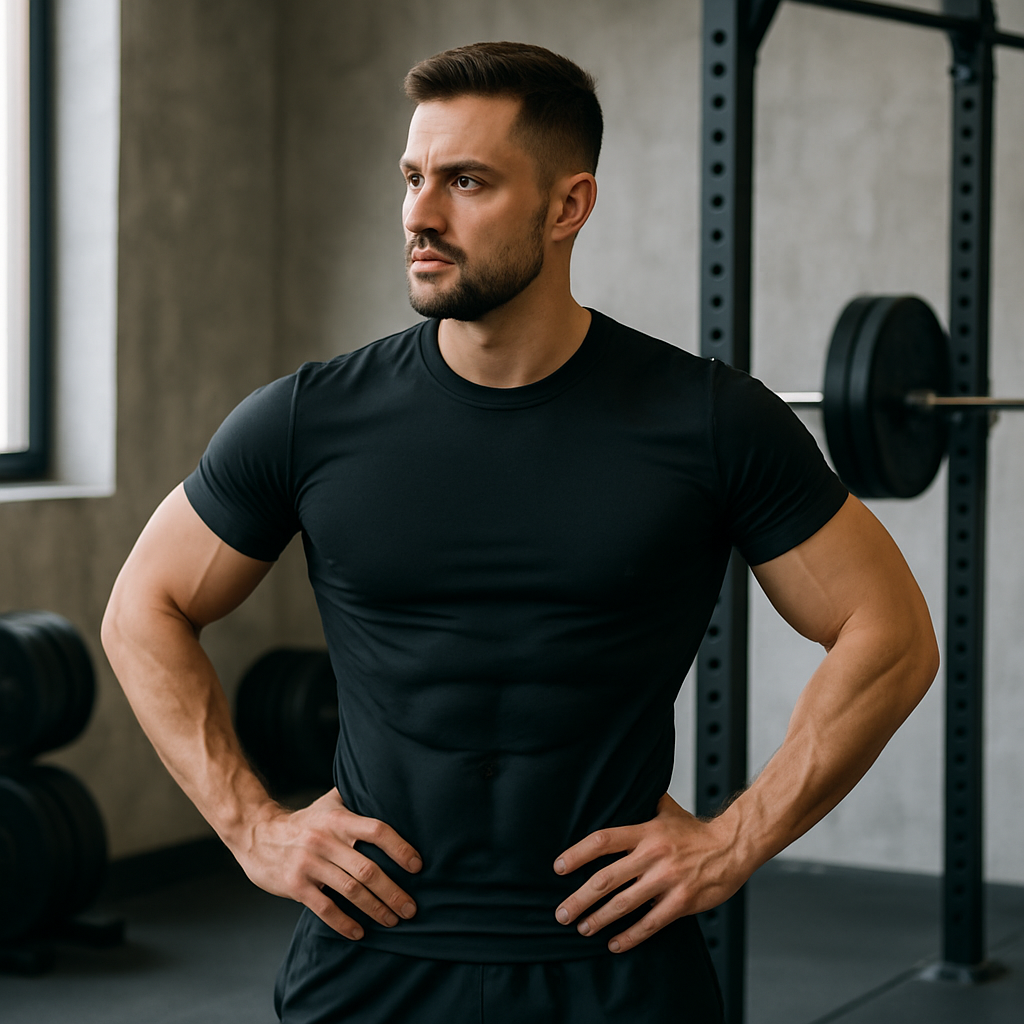
Where bodybuilding usually puts muscle size and symmetry above all else, athletic aesthetics is about striking a healthy balance. We want to feel strong, agile, and capable, not just look the part. That means focusing on explosive power, building up our stamina, and staying flexible—so we move well, not just look “fit” in a certain light. It’s funny—if you’ve ever found yourself admiring the frame of an Olympic athlete, you’ve already seen this principle in action, whether you realized it or not.
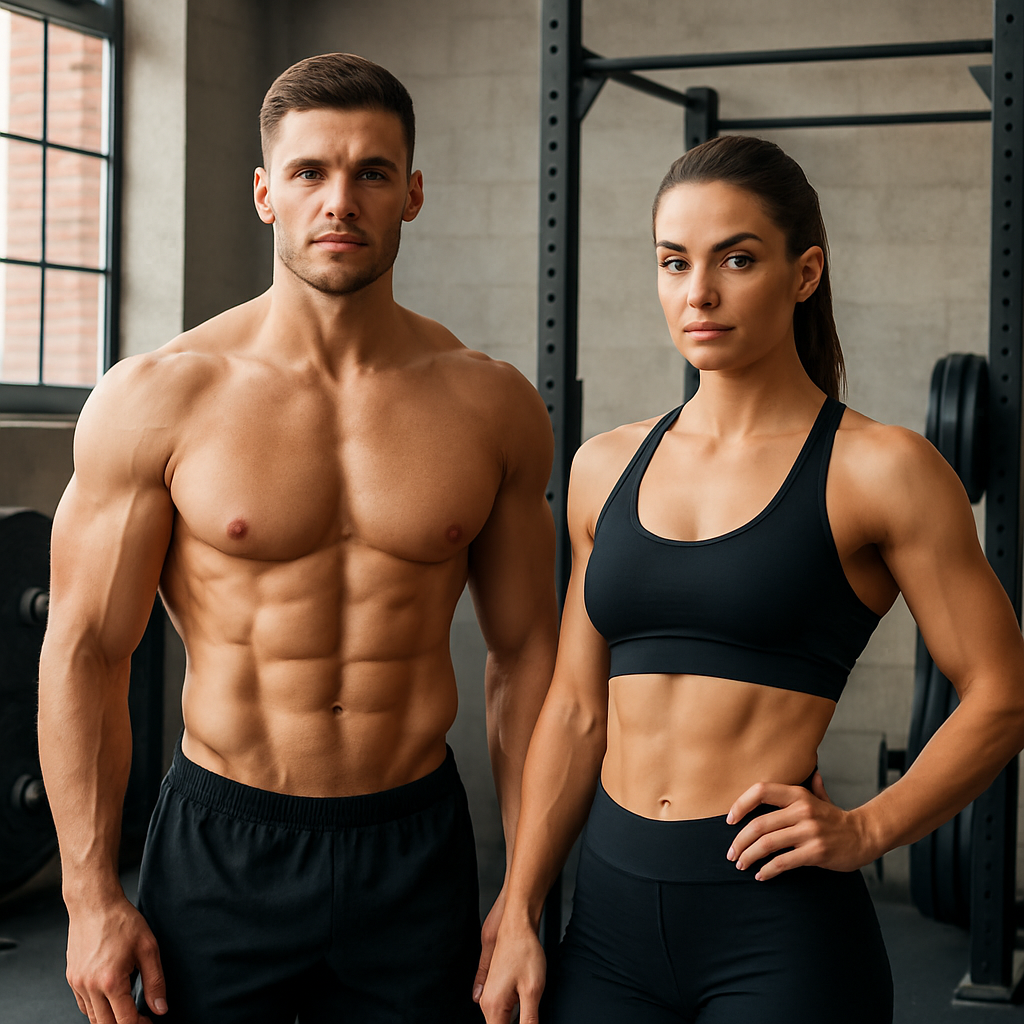
Here’s a refreshing truth: athletic aesthetics is for everyone. You don’t need a sports background, fancy gear, or an exclusive gym membership. The strategies we’ll share are rooted in simple, effective training methods that work whether you’re brand new to exercise or looking to break out of a rut. Our approach is about building a body you genuinely feel good about—physically, mentally, and yeah, aesthetically too.
If you’ve ever been burned by quick-fix programs, or felt discouraged by the unrealistic standards splashed across social media, you’re not alone. Athletic aesthetics throws out the one-size-fits-all mentality. Instead, it’s about reaching for your personal best and letting your hard work—and your unique results—speak for themselves. Here, consistency and smart effort matter far more than genetics or finding the perfect angle for a selfie.
Let’s be upfront: building an athletic aesthetic isn’t an overnight project. It takes time, no shortcuts. But here’s the upside—the journey is usually more fulfilling than the destination. You’ll notice the way you move improves, strength sneaks up on you, and you might even surprise yourself with new abilities. That feeling—of growing, of surprising yourself—that’s the real magic behind this approach.
The Foundations: Principles That Drive Results
So, how do you actually create that athletic look? Spoiler alert: it’s not by isolating every muscle on a different gym machine or obsessing over every calorie. The foundation rests on three big, practical pillars: movement quality, strength development, and smart conditioning. These aren’t just for show—each one matters for both looking the part and actually performing.
Movement quality always comes first. Before you even think about loading up the barbell or going for a personal best, get the basics down: squats, lunges, push-ups, pull-ups, and hip hinges. These “big” moves call on multiple muscles at once, burn more calories, and teach your body to work as a coordinated team. Plus, mastering the basics helps you avoid silly injuries down the line and sets you up for bigger gains.
Strength is the real driver of an athletic physique—but not in the “how much can you bench?” sense. We’re after balanced strength: top and bottom, left and right, pushing and pulling. That balance doesn’t just reduce your risk of injury; it also shapes a body that’s symmetrical and athletic looking. We also put a lot of stock in relative strength—being strong for your size. That’s what creates the lean, action-ready look you see in elite athletes, rather than the bulk-for-bulk’s-sake approach.
Conditioning is the secret ingredient that ties everything together. But forget endless, mind-numbing treadmill sessions. Instead, think intervals, sprints, circuit-style training, and sports drills. These get your heart and lungs in top shape while helping you drop excess body fat. The result is muscle that pops and a body that’s as quick as it looks—not just something to flex at the beach.
And here’s something people overlook: recovery. Chasing athletic aesthetics doesn’t mean working yourself into the ground. Good sleep, daily mobility work, and proper nutrition are non-negotiable. Recovery is where your body gets stronger, repairs itself, and actually adapts to all the effort you’re putting in. Without it, you’re just spinning your wheels—and feeling run-down on top of it.
When you build your routine around these key principles, you wind up with a body that looks good from every angle and surprises you with what it can do. Tired of all the conflicting advice and confusing trends out there? Start here. This is the stuff that actually delivers.
Proven Training Techniques for an Athletic Look
Let’s get down to brass tacks—how do you actually train for athletic aesthetics? The good news is, you don’t need to reinvent your workouts, but you do need a solid plan. We’ve consistently seen the best results from blending strength work, explosive movement, and focused conditioning into every week. Here’s a snapshot of how we put it all together:
- Compound lifts are the foundation—think squats, deadlifts, bench presses, and rows. These exercises are king for building real muscle and functional strength. We focus on full range of motion, and we don’t shy away from moderate to heavy weights, usually working in the 4-8 rep range for strength, and 8-12 for muscle growth (hypertrophy).
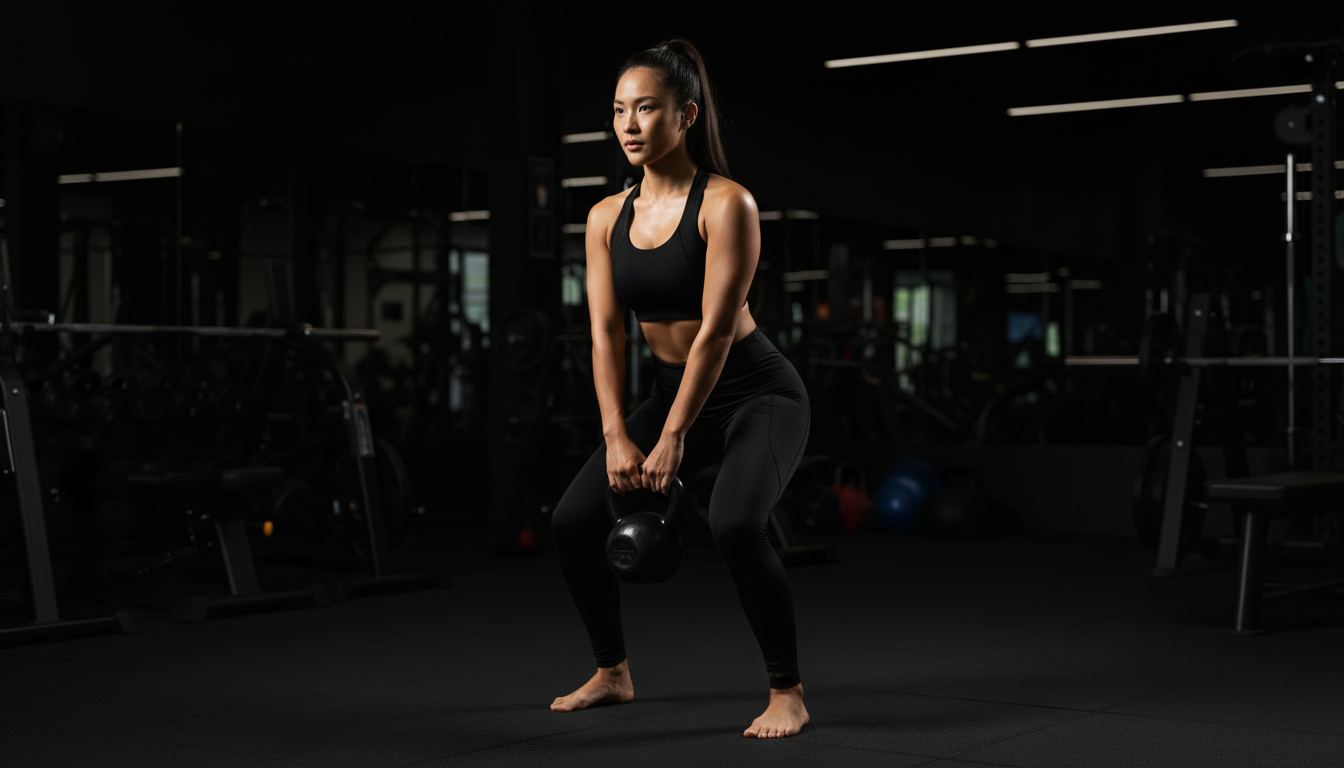
- Plyometrics and explosive exercises—so, box jumps, medicine ball throws, kettlebell swings, and the like—are our go-tos for firing up those fast-twitch muscle fibers. These give you that “springy,” dynamic quality and help muscles stand out with definition.
- Bodyweight mastery: Moves like push-ups, pull-ups, dips, and all kinds of core work are non-negotiable. They help you develop true strength, stability, and that classic V-shaped silhouette.
For conditioning, we mix up HIIT (high-intensity interval training) with steady, low-impact cardio. Sprints, battle ropes, or a circuit finisher at the end of a weight session keep your metabolism high and help strip away fat to reveal all that hard-earned muscle. We purposely steer clear of classic “bro splits.” Instead, we favor full-body or upper/lower routines. That way, your whole body becomes athletic—not just one muscle group at a time.
Don’t sleep on mobility work—it really is the unsung hero. We always carve out time for dynamic warm-ups and regular stretching, especially for tight spots like hips, shoulders, and the spine. Not only does this improve your posture and aesthetics, but it makes you move better and stay injury-free. Neglect mobility, and pretty soon you’ll be walking around looking (and feeling) stiff as a board—definitely not the athlete vibe.
There’s one more training principle we swear by: periodization. Basically, this means you cycle your training focus and intensity over weeks and months. For example, spend a few weeks focusing on building pure strength, then shift gears and emphasize conditioning or even skill work. This approach keeps your body guessing, your motivation high, and helps avoid burnout. Trust us—your results (and enthusiasm) will last much longer this way.
Nutrition for Athletic Aesthetics: Fuel, Don’t Starve
Now, let’s get real about nutrition. This is where a lot of people trip up—either starving themselves or chasing diet fads. The truth? Athletic aesthetics is about fueling your body so it can keep up with your training and actually grow. We recommend eating like an athlete: focus on energy, recovery, and building lean muscle—not deprivation.
Start with protein. It’s your best friend when it comes to muscle repair and staying satisfied throughout the day. We usually aim for about 1.6–2.2 grams per kilogram of bodyweight, broken up across meals. And don’t be afraid of carbs! They’re your primary energy source, especially for tough workouts. Stick with complex carbohydrates—things like rice, oats, potatoes, and fruit. We like to eat most of our carbs around training times for the best boost.
Healthy fats are crucial, too. They support your hormones, brain, and overall well-being. We rely on avocados, nuts, olive oil, and fatty fish most days—delicious, nutritious, and easy to add to meals. The trick is keeping an eye on portions, since fats pack a calorie punch. Also, don’t underestimate the power of proper hydration. You’ll notice a difference in your muscle fullness, energy, and workout performance when you’re actually drinking enough water (most of us aren’t, if we’re being honest).
Wondering about supplements? We keep it minimal and practical. A good-quality whey protein, some creatine monohydrate, and a simple multivitamin are usually enough. Supplements are just that—supplemental, not a substitute for real, whole foods. And as tempting as it is to chase every new diet trend, we avoid anything overly restrictive. The goal is lasting results, not extreme quick fixes that leave you feeling drained.
Another tip: track your progress where it counts. Instead of obsessing over the scale, pay attention to how you feel, your gym performance, and what you see in the mirror. Snap some progress photos, jot down your energy levels, and keep an eye on your lifts. The bathroom scale only tells a tiny part of the story—a strong body and growing confidence will show you the rest.
Mindset and Motivation: The Secret Ingredient
Here’s a truth that often gets overlooked: changing your body always starts with changing your mindset. Athletic aesthetics is as much about how you approach training as it is about the workouts themselves. Over the years, we’ve noticed the folks who stick with it—and see the biggest changes—are the ones who train for growth, not as a “punishment” for how they look or what they ate.
One of our favorite hacks? Celebrate the small wins. The first time you manage a full, perfect push-up, jump a little higher, or catch sight of new muscle lines in the mirror—those moments matter. Each milestone, no matter how minor, adds up and keeps your motivation burning, especially on days when progress seems slow or invisible.
We’re big on mixing things up, too. Try a new sport, take a different class, or just switch up your workout playlist—anything that keeps training from feeling stale. The same goes for finding your tribe. Whether it’s a workout buddy, an online fitness community, or just a friend who’ll check in on you, having some accountability makes a huge difference. It’s a lot easier (and more fun!) to push through tough days when you’re not doing it alone.
No one’s journey is perfectly smooth, and that’s OK. There will be weeks when you’re sidelined by injury, hit a plateau, or life just gets in the way. The real key is resilience—learn from the setbacks, tweak your approach, and keep showing up. Athletic aesthetics isn’t a finish line—it’s a way of living, built on persistence, patience, and self-belief.
At the end of the day, the biggest reward isn’t just a body that looks good (although let’s be honest, that’s a great perk). It’s the energy, confidence, and sense of capability you pick up along the way. That’s why we keep coming back to the gym, the running track, or wherever we move—and it’s why we invite you to join us on this journey. Everyone deserves to feel strong, capable, and genuinely proud of what they can achieve—inside and out.
