


The Meaning Behind Ritzy Black: Decoding the Allure, Status, and Success of Luxury’s Darkest Shade
Jul
Understanding Ritzy Black: More Than Just a Color
Let’s get one thing straight: when people mention “ritzy black,” they’re not just talking about a shade you’d pick out from a paint swatch. It’s far more than a color that designers toss onto their palette for dramatic effect. Ritzy black is a symbol—a bold, unmistakable declaration of sophistication, exclusivity, and a certain kind of power that stops you in your tracks. For years (decades, really), this particular hue has sidestepped fleeting trends and crossed cultural boundaries, earning its place as the go-to color for luxury and achievement. Speaking as folks who geek out on how color shapes branding, fashion, and even social status, we’re convinced ritzy black needs a much closer look. What’s behind the lasting allure of this color? Why does ritzy black keep showing up—in everything from couture runways to the world’s most coveted cars—like it owns the place?
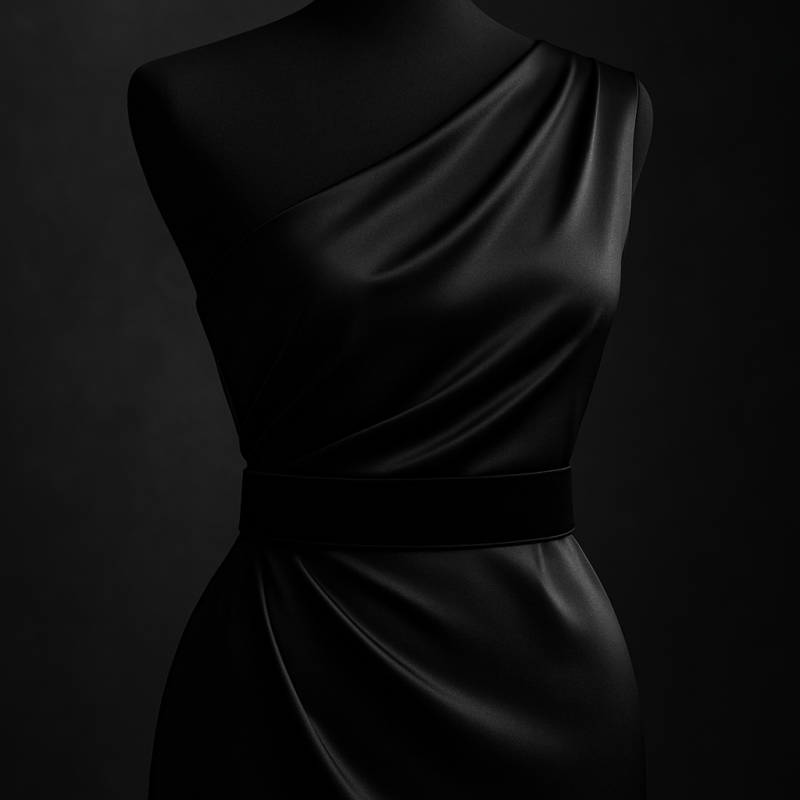
At its heart, ritzy black fuses two distinct vibes: the timeless, universal elegance of black, and the extravagant, larger-than-life quality that “ritzy” implies. Picture this: a ritzy black evening dress gliding across a red carpet, or a ritzy black credit card flashed discreetly from a sleek wallet. It’s not just about looking good. It’s about sending a message—one that says, “I’ve made it, I have taste, and I belong among the elite.” This isn’t some happy accident, either. The world’s top brands, tastemakers, and designers have leaned on ritzy black as a kind of visual shorthand for aspiration and success. Its deep, rich finish is a magnet for anyone craving a sense of arrival, which explains why, time after time, we reach for ritzy black in our closets and even on our smartphones.

Honestly, we see ritzy black as the color people aspire to. It’s the shade that doesn’t need to scream to make its point—it suggests wealth and discernment with a quiet confidence. Compare it to loud displays of luxury; ritzy black is all about restraint and subtlety. There’s a reason black tie affairs haven’t gone out of style for centuries. Nothing says “private club” or “members only” like that deep, ritzy edge on classic black.
There’s also a tangible difference between “plain black” and “ritzy black.” While both might read as formal, ritzy black is usually dressed up with special materials or finishes that make it pop. Think the silky sheen of a high-end dress, or the mesmerizing, almost bottomless gloss of polished obsidian. These textures and surfaces don’t just make ritzy black look good—they make it unforgettable. When a designer launches their flagship piece in this color, or a fashion house debuts a new collection with ritzy black as the centerpiece, they’re tapping into a lineage that stretches back to royalty, the avant-garde, and the world’s elite. It’s a color that wears its confidence on its sleeve, but with that subtle hint of mystery that keeps people guessing. Because of this, ritzy black becomes more than a color—it’s a blank slate for reinvention, a badge you can wear to signal ambition and self-assurance, whether you’re launching a business or stepping onto a new stage in life.
And in today’s digital world, ritzy black has found fresh relevance. Look at how luxury tech products are marketed: the latest flagship smartphones, smartwatches, and headphones almost always come in a ritzy black finish—maybe it’s a silky matte, a brushed metal, or that irresistible glossy ceramic. These aren’t random choices. They speak directly to our desire for items that are both timeless and cutting-edge. From a sharply tailored power suit to the sleek dashboard of an electric supercar, ritzy black adapts and elevates, making sure it never goes out of style.
Ritzy Black in Culture and Luxury Branding
Let’s zoom out for a second and see how ritzy black has become a kind of shorthand for success in the world’s collective imagination. In Western culture, black has always been linked with authority, formality, and a sense of timelessness. Take the little black dress, for example—a symbol of effortless chic ever since Coco Chanel put it on the map. But when you add a “ritzy” twist, you take black to a whole new level. It transforms into something that’s not only classic, but also unmistakably polished and sophisticated. Imagine the glossy finish of a concert grand piano or the deep, mirror-like surface of a top-tier luxury sedan. That’s ritzy black at its finest.
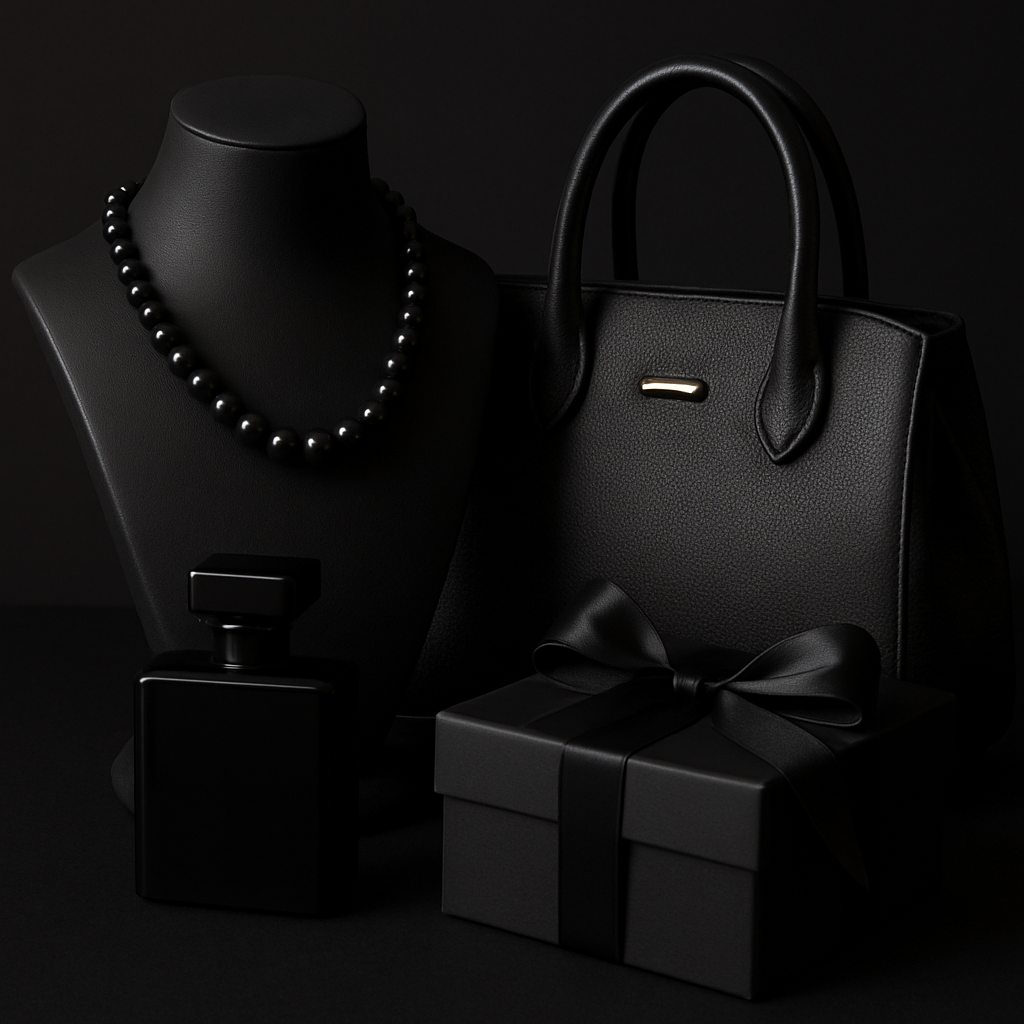
Luxury brands get this better than anyone. From the minimalist, jet-black Chanel No. 5 packaging to the legendary black credit card that only an elite few can access, or the sleek matte black on high-end electronics—ritzy black screams prestige in a way few colors can. These choices aren’t just about what looks good; they’re about how the color makes people feel. We’re conditioned, almost instinctively, to see ritzy black as top-tier, whether we’re talking about a rare bottle of whiskey, a hand-crafted timepiece, or a limited-run sneaker drop.
You’ll spot ritzy black everywhere in advertising, too. Whenever a brand wants to conjure up images of mystery, exclusivity, or next-level sophistication, they reach for this shade. It has this uncanny ability to make even the simplest product feel special—and expensive. In a way, ritzy black works like an inside joke among those who “get it”—a subtle wink to those with discerning tastes and a shared understanding of what true quality looks like.
Here’s a vivid example: the luxury car world. Automakers like Mercedes-Benz, Rolls-Royce, and Porsche often roll out their top models in ritzy black—sometimes with custom finishes like piano lacquer or metallic flecks that catch the light in mesmerizing ways. These cars aren’t just for getting from point A to point B. They’re rolling symbols of achievement and status. It’s no coincidence that, in glossy ad campaigns, these vehicles are staged against moody backdrops, emphasizing the car’s reflective depth and the unmistakable presence that only ritzy black can provide.
Step into the world of upscale hospitality, and you’ll notice ritzy black playing a starring role again. Chic nightclubs love glossy black floors and walls paired with gold details, creating a vibe that’s both intimate and aspirational. The legendary Ritz Paris leans on ritzy black in its look and branding, channeling history, grandeur, and a sense of exclusivity few other establishments can match. Luxury retailers use the same playbook: ritzy black display cases, shelving, and packaging set the tone, letting shoppers know they’ve entered a different kind of space—one where quality and status are the main attraction.
And let’s not forget personal accessories. There’s something irresistibly elegant about a ritzy black fountain pen with platinum trim, a watch dressed up with diamond markers, or a leather bag embossed with just the right amount of detail. These aren’t mere tools or accessories—they’re ways for discerning folks to quietly (or not so quietly) announce their appreciation for both timeless design and a little bit of extravagance. For many, owning something in ritzy black is about far more than just function; it’s a declaration of values—quality, discernment, and a desire to leave a legacy.
The Science and Psychology Behind Ritzy Black
So, what is it about ritzy black that gets under our skin and makes such a memorable impression? The answer is both scientific and a little bit magical. Technically speaking, black is the absorption of all colors, a visual trick that creates a sense of infinite depth. That depth stirs up feelings of mystery, authority, even a kind of safe haven. And when you dress up black with a ritzy twist—think glossy, velvety, or lacquered finishes—it suddenly feels even more luxurious, as if you can almost reach out and touch the opulence.
There’s actually a fair bit of research here. Psychologists have found that when people wear, use, or are surrounded by black, others see them as more confident and capable. It’s no accident that professionals in high-stakes fields gravitate toward ritzy black suits or dresses for those game-changing meetings. The color sends an unmistakable signal: “I mean business, and I won’t settle for second place.” In the realm of interior design, ritzy black is a go-to for injecting drama and focus into a room, creating spaces that manage to feel both cozy and grand at the same time.
But there’s another, less obvious dimension: exclusivity. Ritzy black is deeply intertwined with the idea of limited access—think of black cards, velvet-roped VIP lounges, or private-label gadgets. This link to scarcity triggers what psychologists call the “scarcity effect.” We naturally crave what’s hard to get, and ritzy black seems to always be just out of reach, reserved for those who’ve “made it.” The result? It’s not just that ritzy black looks luxurious; it actually feels like a privilege to own or experience.
Color experts have long argued that ritzy black’s special power is rooted in our most basic instincts. Black, being the absence of light, commands attention and signals the unknown. That’s why you’ll see ritzy black in environments where focus is important—think theater auditoriums draped in black velvet, executive boardrooms with ritzy black conference tables, or the interior of a luxury car where black envelops you, creating a sense of privacy and concentration. Imagine a ritzy black home theater with velvety seating—you can almost hear the hush before the movie starts, every viewing turned into a private event.
Digging deeper into psychology, research shows that people are more likely to judge someone as competent or trustworthy if they wear ritzy black, especially in fields like law or finance. It’s become an unofficial uniform for authority. On the consumer front, that sense of exclusivity is amplified by scarcity marketing—think limited-edition ritzy black watches or sneakers that vanish minutes after release, their rarity making them all the more covetable.
Let’s not overlook the role of texture and finish, either. A matte ritzy black smartphone isn’t just gorgeous—it’s practical, hiding fingerprints and resisting wear, which only adds to the sense of long-lasting value. The tactile pleasure of a ritzy black leather bag or a lacquered coffee table is real; running your hand across those surfaces is a tiny, daily reminder of what luxury feels like. When you put it all together, ritzy black resonates because it satisfies both our rational and sensory sides. To own it is to join an exclusive world—one that feels just a little bit above the ordinary.
Proven Success: How Ritzy Black Drives Perception and Profit
We’ve seen, time and again, how businesses that lean into ritzy black can reap real rewards. Just look at the tech world: whenever a new gadget drops in matte black or jet black, those versions almost always sell out first. Apple’s release of the jet black iPhone? That was a lesson in supply, demand, and the irresistible pull of a ritzy black finish—people lined up to pay extra, just for that sleek, sophisticated touch.
The fashion world is another prime example. Designers like Tom Ford and Saint Laurent have made ritzy black the core of their collections, knowing it flatters everyone and looks incredible on camera. The little black dress, that razor-sharp tuxedo, the perfect pair of black stilettos—these aren’t just wardrobe staples, they’re cultural icons, consistently ranked by fashion editors as investments that never lose their edge.
In hospitality, ritzy black is what sets high-end venues apart. Elite bars, hotels, and restaurants rely on black marble, lacquered finishes, and plush velvet to create settings that feel exclusive and memorable. The upshot? Guests are happy to pay more, perceiving ritzy black as part of what makes the whole experience worth the splurge.
Branding and packaging also get a significant boost from ritzy black. There’s a measurable “premium perception gap”—meaning products wrapped in ritzy black, whether makeup, fine spirits, or electronics, are consistently rated as more valuable and desirable. It hardly matters if the product inside is identical to one in plain packaging. That’s the magic of ritzy black’s reputation—it turns everyday objects into must-haves.
The luxury auto scene tells the same story. When Tesla rolled out its Model S in obsidian black, it quickly became one of the most requested (and priciest) options on offer. Why? Because ritzy black amplifies the car’s futuristic lines and projects strength without being flashy. The spirits industry works similarly: think of those limited-edition whiskies or champagnes dressed in ritzy black bottles. Collectors and enthusiasts race to snap them up before they even hit the shelves, all because the packaging signals rarity and top-notch craftsmanship.
Small businesses aren’t left out, either. Imagine a boutique chocolatier wrapping their finest truffles in ritzy black boxes with just a hint of silver foil—suddenly, the chocolates feel extra special, the kind you’d save for a celebration. Online, digital apps and services use ritzy black themes—think meditation or finance apps—to create an atmosphere of calm authority, helping users feel like they’re placing their trust in something solid.
Even the world of events has caught on. Black tie galas and ritzy black-themed weddings are almost always bigger-budget affairs, with exclusive guest lists and a sense of occasion that justifies spending more on everything—flowers, entertainment, you name it. Across every industry, the pattern is clear: ritzy black doesn’t just shape how we feel. It shapes what we’re willing to spend.
Incorporating Ritzy Black: Tips for Beginners and Brands
Curious about how to use ritzy black for yourself—or wondering how your brand can tap into its magic? The key is to use it with intention. Ritzy black shines brightest when it’s chosen deliberately, not just as a default or afterthought. For individuals, adding a touch of ritzy black to your wardrobe or home decor can instantly dial up the sophistication and give you a little boost of confidence. Sometimes, all it takes is one standout piece—a ritzy black watch, a sleek handbag, or a pair of statement shoes—to take your whole look to the next level.
If you’re building a brand, balance is everything. Too much ritzy black can come across as cold or unapproachable, but when you pair it with rich textures, subtle metallic accents, or even a pop of color, it feels warm and aspirational. Start by thinking about the emotions you want to evoke: Is it confidence? Trust? A hint of intrigue? Use ritzy black as the anchor for your color palette and your message. Remember, less is often more—let ritzy black do its thing by keeping the look sharp, focused, and thoughtfully curated.
- For product designers: Apply ritzy black to high-touch surfaces or packaging to signal durability and exclusivity.
- For marketers: Use ritzy black backgrounds or details in your campaigns for premium products to ramp up the prestige factor.
For beginners in interior design, try introducing ritzy black through accent walls, statement-making furniture, or carefully selected decor—think vases, lamp stands, or a set of striking picture frames. Combining ritzy black with natural materials like marble, brass, or rich woods takes the edge off, making the space feel inviting rather than severe. In fashion, layering ritzy black pieces in different fabrics—silk, velvet, suede—adds depth and turns an everyday outfit into something special and intentionally styled.
If you’re a brand working on your signature look, consider weaving ritzy black into your digital assets—website backgrounds, app interfaces, even your social media feeds. A ritzy black website sets a premium tone right away, while black-themed packaging with embossed or shimmery elements tells your customers your product is a cut above the rest. The real goal? Use ritzy black to create an immersive, memorable experience—one that clicks with your audience’s craving for excellence, exclusivity, and style.
When you get down to it, ritzy black isn’t just a passing trend—it’s a visual language for success and substance, one that anyone can learn to speak. Whether you’re stepping out in a ritzy black suit or unveiling a new ritzy black product line, you’re tapping into a history of excellence and aspiration. And honestly, that’s a message worth owning—now and for years to come.
