
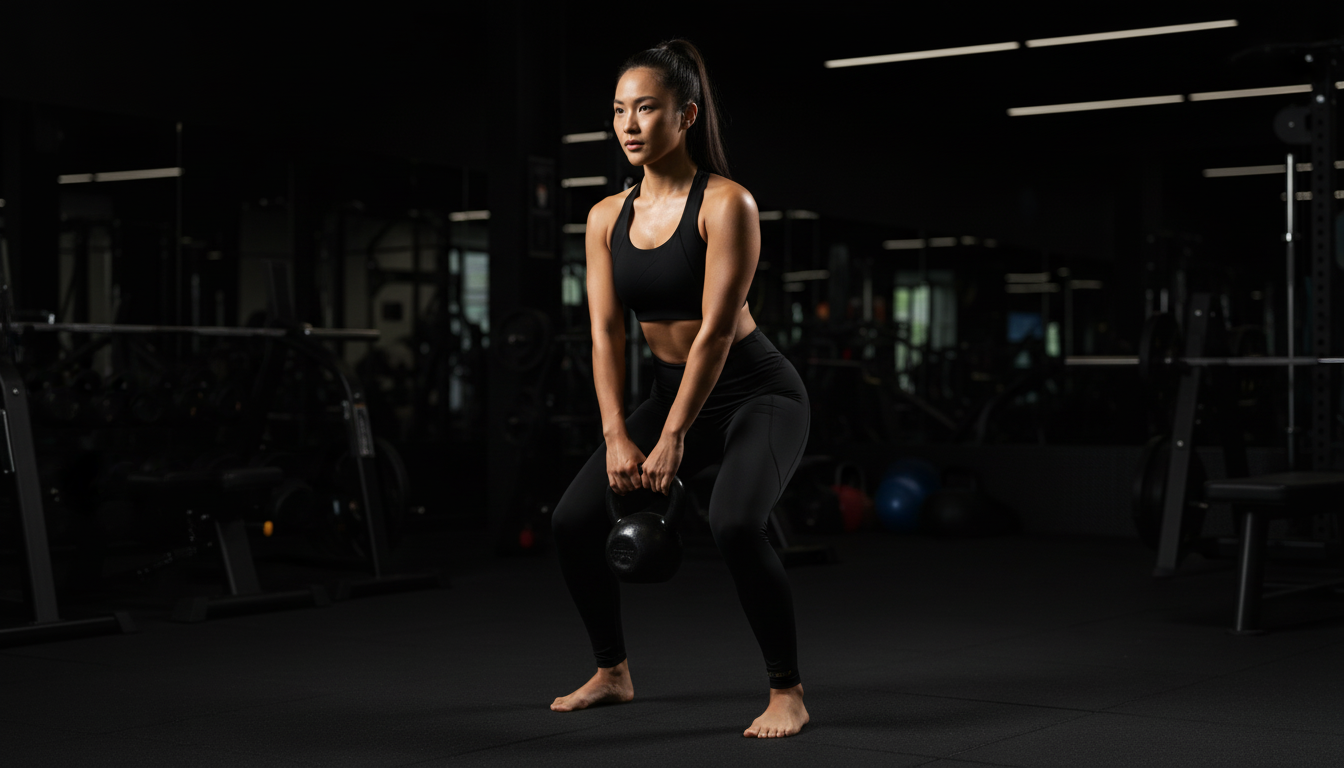

Redefining Feminine Strength: A Fresh Perspective on Power, Grace, and Identity
Redefining feminine strength means moving beyond traditional stereotypes to embrace a broader, more inclusive understanding of power, resilience, and grace in women. This new perspective recognizes strength in emotional intelligence, adaptability, compassion, and authenticity, not just physical abilities.
How Has the Concept of Feminine Strength Changed Over Time?
Feminine strength has historically been associated with nurturing, gentleness, and quiet endurance. In many cultures, women were praised for their ability to provide emotional support, raise families, and bear adversity with patience and subtlety. These qualities, while powerful, were often confined to the private sphere, such as the home or close-knit communities. For example, in the early 20th century, women were largely restricted to roles as caregivers, teachers, and nurses—professions that emphasized empathy and service, but rarely leadership or assertiveness.
However, these traditional views often limited the scope of what women could be or do. Social expectations discouraged women from pursuing ambitions outside the home or expressing traits commonly associated with leadership, such as directness, confidence, and competitiveness. Throughout history, women who broke these molds—such as suffragettes fighting for voting rights, or women entering the workforce during World War II—challenged the conventional wisdom about strength. Their actions laid the groundwork for broader definitions of power and agency.
Today, the idea of feminine strength encompasses a much wider range of qualities, including assertiveness, ambition, emotional resilience, and leadership. The rise of feminist movements, from the suffrage era to the #MeToo movement, has continually redefined what is possible for women. Public figures like Malala Yousafzai, Ruth Bader Ginsburg, and Serena Williams embody new dimensions of strength, combining courage, intellect, and physical prowess with empathy and advocacy. These examples inspire countless women to pursue their goals, regardless of whether they fit the traditional feminine mold.
Cultural movements and public figures have played a significant role in shifting perceptions, challenging the notion that strength is only physical or aggressive. Media representation has also evolved. Female characters in literature, film, and television are increasingly portrayed as multifaceted individuals who lead, innovate, and overcome adversity in diverse ways. Whether it’s a CEO making tough decisions, an activist standing up for social justice, or a mother balancing career and family, feminine strength is now recognized across all walks of life.
As a result, modern interpretations celebrate both the subtle and overt ways women demonstrate their power, whether in the boardroom, the community, or at home (The Feminine Hub). This shift not only honors women’s achievements but also encourages younger generations to expand their own ideas of what it means to be strong and successful.
What Does Redefining Feminine Strength Mean Today?
Redefining feminine strength means valuing traits such as empathy, collaboration, self-awareness, and adaptability as sources of power. In the modern world, these characteristics are often integral to effective leadership and personal fulfillment. The ability to connect with others, listen deeply, and build consensus can be just as critical to success as decisiveness or assertiveness. Consider leaders like Jacinda Ardern, former Prime Minister of New Zealand, who became globally respected for her empathetic response during crises, demonstrating that compassion and strength are not mutually exclusive.
It encourages us to see vulnerability and openness as strengths rather than weaknesses. Brene Brown, a renowned researcher and author, has popularized the idea that genuine vulnerability is a cornerstone of courage and meaningful connection. When women embrace vulnerability, they create space for honesty, growth, and the kind of collaboration that leads to innovation and resilience. This approach also counters long-standing myths that equate emotional expression with fragility, instead highlighting that it takes immense courage to be open about struggles and fears.
This shift allows women to express their identities fully, blending traditionally masculine and feminine attributes in ways that suit their individual personalities and goals. For example, a female entrepreneur might combine strategic thinking with nurturing mentorship, or a community organizer may lead with both passion and patience. Such integration empowers women to chart their own courses, free from rigid societal expectations about what qualities are “appropriate” for their gender.
Strength is no longer defined by societal expectations but by personal authenticity and the willingness to grow and adapt. In practice, this means women can set boundaries, advocate for themselves, and pursue careers and lifestyles that align with their values—even if those choices defy conventional wisdom. Young girls and women today are encouraged to take pride in their individuality, whether that involves excelling in STEM fields, pursuing athletic excellence, raising families, or leading community initiatives. Ultimately, redefining feminine strength is about creating space for every woman to be her most authentic self, celebrating the full spectrum of human potential.
What Are the Key Elements of Feminine Strength in Modern Life?
- Emotional Intelligence: The ability to manage emotions, communicate effectively, and build meaningful relationships is a cornerstone of modern feminine strength. For instance, in the workplace, women with high emotional intelligence can navigate complex team dynamics, mediate conflicts, and foster a positive culture. On a personal level, emotional intelligence helps women respond to challenges with patience and understanding, whether parenting a child through a difficult phase or supporting a friend in crisis. Many organizations now value emotional intelligence just as highly as technical skills, recognizing its impact on performance and morale.
- Adaptability: Navigating change and uncertainty with grace and resourcefulness is highly valued. The modern world is characterized by rapid technological advancements, shifting cultural norms, and unpredictable global events. Women who adapt to these changes—by learning new skills, embracing flexible work arrangements, or pivoting careers—demonstrate a vital form of strength. During the COVID-19 pandemic, for example, countless women juggled remote work, childcare, and community responsibilities, showing remarkable resilience in the face of upheaval. Adaptability also means being open to new perspectives and willing to evolve, whether in response to feedback at work or changes within the family.
- Compassion and Empathy: These qualities foster strong communities and supportive environments, both at work and at home. Compassionate leaders often inspire greater loyalty and engagement among their teams. In family and community life, empathy helps resolve conflicts, build trust, and create a sense of belonging. For example, a school principal who listens to both teachers’ and students’ concerns can craft solutions that benefit the entire school community. Similarly, women who volunteer or lead charitable initiatives often draw on deep empathy to identify needs and mobilize support.
- Authenticity: Embracing one’s true self, including flaws and vulnerabilities, is increasingly seen as a powerful form of strength. Authenticity involves aligning actions with values, speaking honestly, and resisting pressure to conform to others’ expectations. Women who are authentic serve as role models, showing others that it is possible to succeed without sacrificing integrity or individuality. In the age of social media, where curated images often obscure reality, authenticity stands out as a refreshing and empowering trait. It encourages women to pursue goals that resonate with their identities, not just those that garner external approval.
- Physical and Mental Resilience: While not the sole indicators, physical fitness and mental toughness continue to be important aspects, as highlighted by communities like Redefining Strength. Women athletes, from marathon runners to Olympic champions, embody physical resilience, often breaking barriers and inspiring others to pursue active lifestyles. Mental resilience is equally vital—women who persevere through setbacks, manage stress, and recover from adversity model an inner strength that transcends circumstances. For example, women who overcome significant health challenges or career setbacks often become advocates and mentors for others facing similar struggles.
Together, these elements reveal a multidimensional understanding of strength—one that honors the unique ways women contribute to their families, workplaces, and communities. By celebrating these qualities, society encourages girls and women to cultivate their strengths and make meaningful impacts in every sphere of life.
How Can We Incorporate Feminine Strength Into Everyday Life?
Embracing feminine strength means consciously valuing and practicing qualities that have often been overlooked. This requires both self-reflection and concrete action. Below are some detailed steps to help individuals put this new understanding of strength into practice:
- Identify Core Values: List the qualities you admire in yourself and other women. These could be resilience, empathy, creativity, or leadership. For instance, you might look up to a coworker who remains calm under pressure, a friend who always finds time to listen, or a family member who stands up for her beliefs. Reflecting on these examples can help you recognize similar strengths within yourself. Journaling about your values and achievements can be a powerful exercise in self-discovery, helping you identify the strengths you want to develop further.
- Challenge Stereotypes: Notice when traditional gender roles shape your choices or self-perception. Ask yourself if these roles truly reflect your values. For example, if you feel pressure to always be accommodating or avoid conflict, consider whether this serves your well-being and goals. Speaking up in meetings, pursuing unconventional career paths, or setting boundaries in relationships are all ways to challenge limiting stereotypes. Engaging in open conversations with friends or mentors about gender expectations can also help you gain perspective and support.
- Practice Self-Compassion: Allow yourself to be imperfect. Recognize that strength includes the ability to acknowledge struggles and seek support. When you encounter setbacks—such as missing a promotion, experiencing burnout, or facing family challenges—treat yourself with the same kindness you would offer a friend. Techniques like mindfulness, positive self-talk, and seeking therapy or coaching can build resilience and foster a healthier self-image. Remember, self-compassion is not about avoiding responsibility but about accepting your humanity and learning from every experience.
- Build Support Networks: Connect with others who share your vision of strength. This fosters mutual encouragement and growth. Support networks can take many forms: professional associations, community groups, online forums, or informal circles of friends and mentors. Participating in women’s leadership programs, volunteering, or joining interest-based groups creates opportunities for learning and collaboration. These networks provide safe spaces to share experiences, seek advice, and celebrate achievements, all of which reinforce a sense of empowerment.
- Celebrate Diverse Expressions of Strength: Whether through leadership, caregiving, creativity, or advocacy, honor the many ways women demonstrate power. Take time to acknowledge and appreciate the strengths of those around you, whether it’s a colleague managing a complex project, a mother balancing work and family, or an artist using her voice for social change. Sharing stories of diverse strength—through conversations, social media, or community events—helps broaden the definition of what it means to be strong and encourages others to embrace their unique abilities.
For actionable ideas on integrating strength into daily habits, readers may find inspiration in our guide From Workout to Life: Transforming Fitness Habits Into Everyday Strength. This resource explores how physical routines can foster not just bodily health, but also mental resilience, discipline, and confidence—qualities that translate to every facet of life. For example, setting and achieving fitness goals can boost self-esteem and reinforce the belief that challenges can be overcome with persistence and support. Similarly, practicing mindfulness or gratitude as part of daily routines can build emotional strength and resilience over time.
Ultimately, incorporating feminine strength into everyday life is an ongoing process. It involves intentional choices, a commitment to personal growth, and a willingness to support others on their journeys. By celebrating progress, learning from setbacks, and staying true to your values, you contribute to a culture where all forms of strength are recognized and valued.
How Does Redefining Feminine Strength Impact Society?
The broader recognition of feminine strength benefits individuals and society. When we embrace a more inclusive definition, we open doors for women to lead authentically, contribute uniquely, and support one another across all areas of life. For example, businesses that value emotional intelligence and collaboration in their leaders often see increased innovation, better team dynamics, and improved employee satisfaction. Schools that highlight empathy and adaptability in their curricula help prepare students—regardless of gender—for the complexities of the modern world.
Organizations and communities that recognize diverse forms of strength are better equipped to innovate, solve problems, and create supportive environments for everyone. Nonprofits led by women often focus on holistic solutions to social issues, drawing on empathy and community engagement to address root causes. In government, female leaders who prioritize transparency, inclusion, and long-term thinking can elevate the quality of public discourse and policy-making. Even in traditionally male-dominated fields like engineering, finance, and technology, a broader definition of strength allows more women to thrive and contribute their perspectives.
This cultural shift also encourages men to value similar traits in themselves, promoting a healthier, more balanced approach to power and relationships (The Feminine Hub). By normalizing vulnerability, empathy, and collaboration as strengths, society enables everyone to embrace a fuller range of human qualities. Boys and young men who see these traits modeled by parents, teachers, and leaders are more likely to develop them in themselves, leading to more balanced partnerships and communities.
Moreover, redefining feminine strength helps combat harmful stereotypes and systemic barriers that limit opportunities for women and girls. When society values a wider variety of strengths, it becomes easier to advocate for equal pay, parental leave, flexible work arrangements, and other policies that support women’s choices and well-being. It also raises awareness of issues like gender-based violence, mental health, and access to education, prompting more robust and compassionate responses from individuals, organizations, and governments.
In the long run, embracing a multidimensional view of strength fosters resilience, creativity, and well-being at every level of society. As we continue to challenge outdated norms and celebrate the full spectrum of human potential, we move closer to a world where everyone—regardless of gender—can lead, thrive, and make a meaningful impact.
Frequently Asked Questions About Feminine Strength
Can feminine strength include physical power as well as emotional resilience?
Yes, feminine strength includes both physical and emotional dimensions. Physical fitness and resilience are important aspects, but emotional intelligence, adaptability, and compassion are equally vital in today's understanding of feminine strength.
Is it possible to be strong and vulnerable at the same time?
Absolutely. Vulnerability can be a form of strength, as it requires courage and self-awareness. Embracing vulnerability allows for authenticity and deeper connections, which are key elements of modern feminine strength.
How can someone begin to redefine feminine strength in their own life?
Start by challenging stereotypes, identifying your unique strengths, and practicing self-compassion. Building supportive networks and celebrating diverse expressions of strength can help you embrace a broader definition in your daily life.
What role do support networks play in fostering feminine strength?
Support networks provide encouragement, share resources, and create opportunities for growth. They help individuals recognize and celebrate their strengths, making it easier to challenge limiting beliefs and societal expectations.
Sources
