


From Workout to Life: Transforming Fitness Habits Into Everyday Strength

Oct
Rethinking the Divide: Why Fitness Isn’t Just for the Gym
When most people hear the word “fitness,” they tend to imagine sweaty gym sessions, pounding the pavement on an early morning run, or squeezing in a late-night HIIT class. It’s easy to treat fitness as something that only lives inside the four walls of a gym or is limited to those carefully carved-out exercise slots on your calendar. But real talk? The habits, mindsets, and little victories we earn in those moments of exertion have a hilarious way of sneaking into every other part of our lives—if we let them. Our team honestly believes that the real transformation happens when you start blending “workout mode” with “life mode,” letting those hard-won lessons about discipline, grit, and self-awareness spill over into your day-to-day world. This isn’t about piling on more reps or chasing some imaginary fitness finish line—it’s about seeing how what you’ve already accomplished can become fuel for growth in every arena, whether that’s your relationships, career, or even how you handle stress when you’re stuck in traffic.
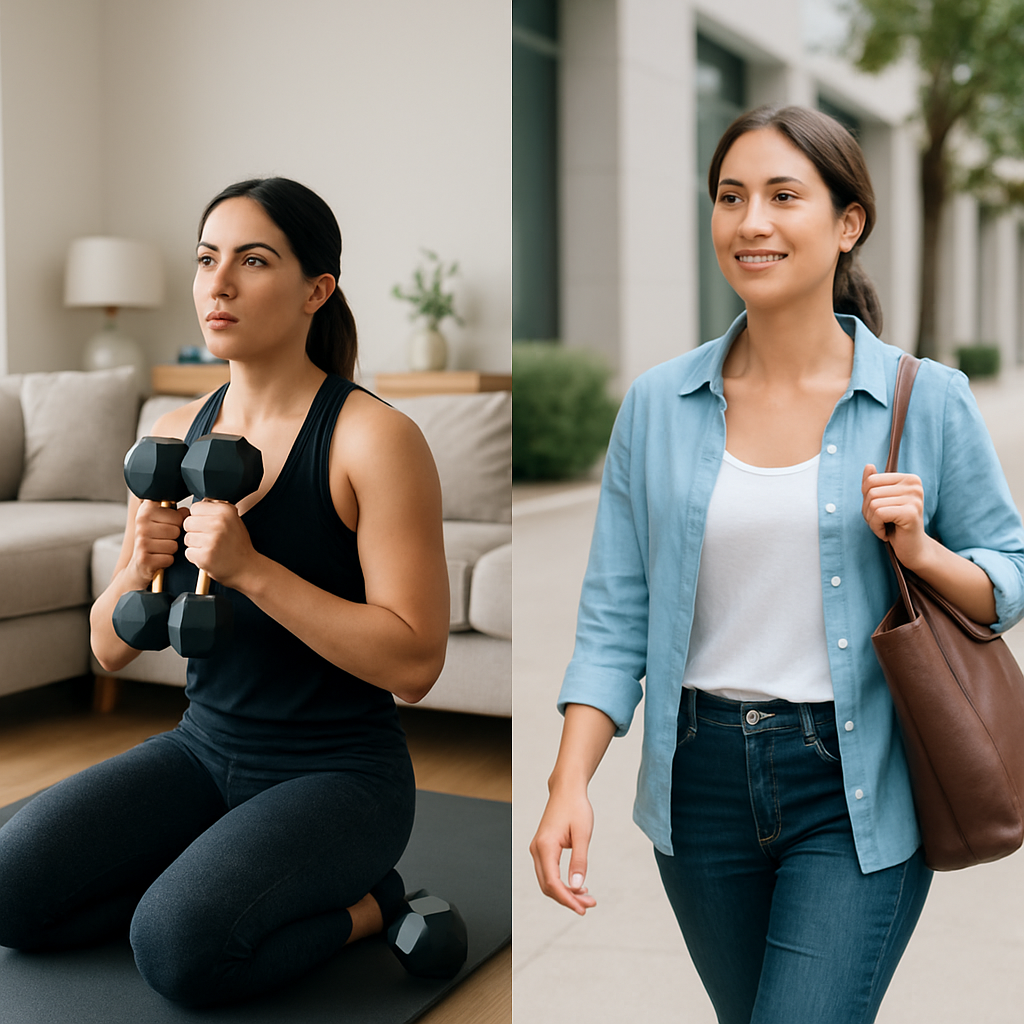
Think about it: the intense concentration it takes to power through a brutal set, or the dogged determination to keep moving when everything in your body is screaming at you to stop—those aren’t just physical feats. They’re the makings of mental toughness, emotional maturity, and powerful behavior patterns that help you handle the wild rollercoaster of real life. Whether you’re facing a work deadline, navigating a tense conversation with someone you love, or just trying not to lose it in the grocery line, these fitness-born strengths are clutch. When you make a conscious effort to bring your workout mindset into the “real world,” you don’t just get stronger physically—you become more resilient, centered, and capable in every part of your life.
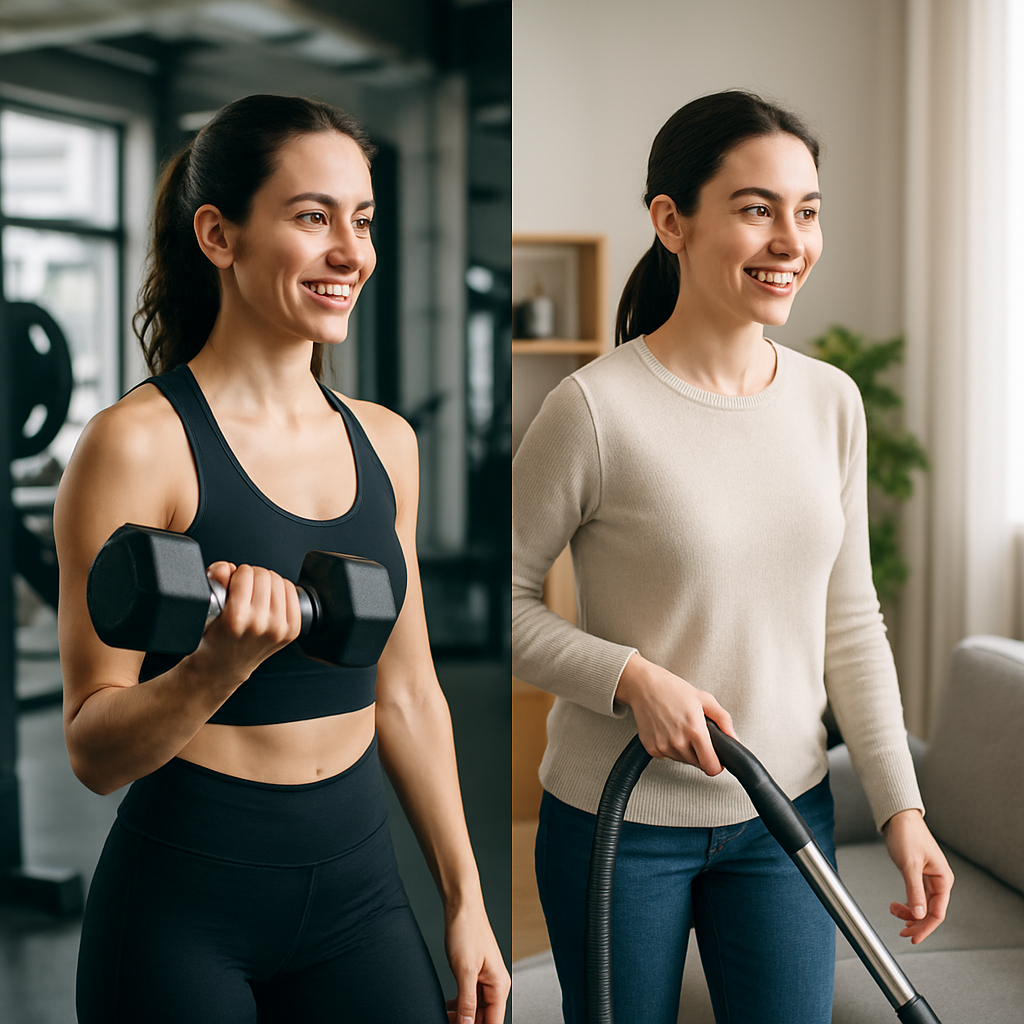
Most of us don’t even realize how much our everyday lives could benefit from the same principles we use in the gym. Take breathing, for instance. The way you focus on your breath to steady yourself before a heavy squat? That same technique can work wonders in calming your nerves before giving that big presentation at work. Or maybe it’s that sweet, earned satisfaction after a workout you almost skipped—suddenly you’re finding it easier to push through the last drudging hour of a rough workday, or show up for a friend, even if you’re running on fumes. The magic happens when that imaginary wall separating “fitness time” from “real life” comes down. Why leave all those benefits locked up in the gym when you can take them with you everywhere you go?
One of the coolest things about fitness is how it naturally fosters a growth mindset—the belief that we can get better, stronger, and smarter if we’re willing to put in the work, try new strategies, and learn from others. If you drag that mindset out of the gym and into the rest of your life, suddenly tough problems start to look more like opportunities than threats. A new challenge at work? It’s just like starting a fresh workout plan: a little scary, but mostly exciting, and totally doable if you keep at it.
The Workout Mindset: What We Practice in Motion
Every time you lace up your sneakers or unroll your yoga mat, you’re practicing more than just movement. You’re actually rehearsing a set of mental routines—setting goals (like aiming for a certain distance or weight), planning (figuring out your exercises or route), and paying attention to feedback (noticing which moves feel strong, and which ones need some TLC). You adapt on the fly if things aren’t going your way, and you celebrate progress, no matter how tiny. Honestly, these are gold nuggets for anyone who’s into self-improvement—and the best part is, you don’t have to be a world-class athlete to reap the rewards.
Let’s talk about one of the most powerful fitness concepts out there: progressive overload. Basically, it means that steady, manageable challenges—little by little—are what help you get stronger and more resilient. In the gym, that looks like adding an extra five pounds to your deadlift or running just one block farther. In real life? It’s putting yourself out there for a project you’re not quite sure you can handle, or speaking up in a meeting even if your heart’s racing. We’ve had clients who, after sticking with a workout routine for a while, suddenly find themselves braver at work or more open to tackling stuff that used to freak them out. That’s no accident—the connection is absolutely real.
And let’s not forget what exercising teaches us about failure and bouncing back. Missing a lift, cutting a run short, or having an off day doesn’t mean you’re doomed—it’s just information. It shows you where you can adjust, recover, and try again. If you take that attitude into your job or your relationships, setbacks lose their sting. Instead of beating yourself up, you start looking for takeaways—and that’s how real, long-term growth actually happens.
Consider the simple habit of jotting down notes in a workout journal. Each entry gives you feedback—what worked, what flopped, how you felt—offering a chance to reflect and adjust. Take that idea into daily life: keep a notebook for your work projects or personal goals, logging what strategies moved the needle and which habits are getting in your way. That feedback loop keeps you sharp and encourages you to live with intention, not just on autopilot.
There’s also the planning side of fitness—working out when to train, mapping out routines, and predicting possible hiccups. Maybe you know you’ll be slammed next week, so you swap longer sessions for short, high-intensity bursts or schedule a few active recovery days. That’s foresight in action. In life, anticipating challenges lets you problem-solve before you even hit a snag. If a stressful stretch at work is coming up, you can line up support, set boundaries, or schedule restorative time—so you’re not left running on empty when it matters most.
And then there’s adaptability. No two workouts are ever quite the same, right? Energy shifts, the weather acts up, or maybe your brain just isn’t cooperating. Sometimes you swap a planned run for a mellow yoga session, or adjust your weights on the fly. Daily life is no different—plans go sideways all the time. That flexibility you practice at the gym? It’s exactly the skill you need for managing shifting deadlines, last-minute family emergencies, or your own changing priorities. Over time, this resilience lets you roll with life’s punches and bounce back quicker from the unexpected.
Making the Leap: Translating Fitness Habits Into Daily Life
So, how do you actually move all these powerful habits from your workouts into the rest of your life? It all starts with awareness. Next time you finish a workout, take a minute—not just to towel off, but to jot down what went well, what tripped you up, and how you dealt with those tricky moments. Maybe you powered through a brutal interval, or maybe you had to shuffle your plan because something felt off. Those small wins (and even the tiny pivots) are the seeds that can grow into bigger life changes—if you notice and nurture them.
After that, pick just one area outside of fitness—work, family, side projects, whatever—where you’d like to make some progress. Ask yourself: which fitness principle could actually make a difference here? For instance, if you’re dreaming of writing a novel but the goal feels paralyzing, borrow from your workout toolkit and break it into small, manageable sets. Write just 200 words a day, the way you’d start with a single set of squats and build over time. Or, if you’re wrestling with perfectionism, channel your inner gym rat and focus on consistency over flawlessness—just show up and do the work, even if it’s not perfect.
Here are two practical, bite-size examples we’ve seen work wonders:
- Daily Micro-Challenges: Think of the intervals or circuits you do at the gym—short, intense bursts that build stamina. Bring that idea into your day by setting up a few tiny challenges: five undistracted minutes on a big task, finally making that phone call you’ve been dreading, or even taking a 60-second cold shower. The purpose here isn’t to torture yourself—it’s to get comfy being a little uncomfortable, just like you do when piling on an extra set or cranking up the treadmill.
- Recovery Rituals: We all know you can’t get stronger in the gym without enough rest. The same is true in life. Block off real downtime after heavy work periods, and protect it like you would a recovery day after a killer workout. This keeps burnout at bay and helps you perform at your best, whether you’re at your desk or on your yoga mat.
Honestly, these little shifts don’t seem like much at first—but give them some time, and you’ll notice how the confidence and resilience you’re building in one corner of your life start spilling over into everything else. It’s a feedback loop that’s tough to break (in a good way!).
Another strategy you can swipe from the world of athletics is visualization. Athletes do this all the time before big competitions or heavy lifts. Next time you’re about to walk into a tricky meeting or kick off a daunting project, take a moment to picture yourself nailing it—handling challenges with calm, rolling with the punches, and coming out on top. This little mental dress rehearsal can actually prime your brain for success and dial down the anxiety, much like it does for athletes.
Let’s not forget about the power of routines. Just like you plan your workouts for the week, try carving out specific time blocks for focused work, creative hobbies, or even quality time with people you care about. Treat those appointments like non-negotiable workouts—set reminders, prep in advance, and track your progress. Over time, this kind of consistency makes it way easier to follow through on what matters, no matter what area of life you’re working on.
And here’s a small but mighty habit: reflection and gratitude. After a workout, maybe you take a second to appreciate what your body just did, or note something you improved on. Bring that spirit into your daily routine by ending the day with a quick reflection on what went well or something you’re grateful for—a smooth meeting, a kind text from a friend, or just a quiet cup of coffee. It’s an easy way to amplify good vibes and keep your focus on growth, not just on what went wrong.
Building a Life-Long Practice: Sustainability Over Intensity
There’s a persistent myth that “going hard or going home” is the only way to get results in fitness. Sure, intensity can drive change in the short term, but let’s be real: it’s consistency that actually wins the marathon (and not just the 100-meter dash). Whether we’re talking about fitness or life, the folks who show up regularly—even if some days are less than spectacular—always make more progress than the ones who go all out, flame out, and then disappear for weeks.
If you really want to take your gains from the gym and make them stick in life, it’s all about building systems, not just waiting around for motivation to magically strike. In fitness, that might mean mapping out your weekly workouts or joining a group class for accountability. In the rest of your world, it could be automating bill payments, meal prepping on Sundays, or blocking off recurring time for those important-but-not-urgent projects. These systems aren’t just about efficiency—they actually free up headspace for creativity, connection, and that deep work we all crave but rarely make time for.
We’ve learned, often the hard way, that celebrating even the smallest wins is key. Just like you’d keep track of personal records in the gym, make it a habit to pause and notice your progress in other areas—maybe it’s sticking to your morning routine, wrapping up a tough assignment, or even just getting outside for a stroll. Over time, these moments of recognition stack up, building momentum and reinforcing the story you tell yourself: “Hey, I’m someone who shows up, adapts, and keeps going.”
Training for a marathon is one of my favorite examples here. No one finishes 26.2 miles by relying on random bursts of motivation. Successful runners have a training plan, lay out their clothes the night before, maybe even join a running group for support and camaraderie. In the professional world, the same approach applies—set up daily planning rituals, schedule check-ins with coworkers, or block out time for weekly reviews. That structure keeps the wheels turning, even on days when you’d rather be binge-watching your favorite show.
Another piece of the sustainability puzzle is tuning in to your body and mind. In fitness, ignoring soreness or pushing through real pain is a recipe for injury. Life’s the same way—if you keep plowing ahead while ignoring stress, emotional exhaustion, or loneliness, you’re headed for a crash. Make it a point to check in with yourself regularly, and don’t be afraid to slow down, take a mental health day, or shift your focus when you need to. These “rest days” in life are what keep you performing—and feeling—your best in the long haul.
Being sustainable also means being flexible with your goals. If you set your sights on a certain fitness achievement and then sprain an ankle, you don’t quit—you switch gears. Maybe you focus on stretching, mobility, or upper body work for a while. Same goes for life: if a plan goes sideways or your priorities shift (as they do), the trick is to recalibrate, not give up. That adaptability keeps you moving forward, even when the route changes unexpectedly.
And let’s not underestimate the role of community. In fitness, working out with a friend or joining a class can make all the difference—it’s more fun, and it holds you accountable. In life, surrounding yourself with people who lift you up—family, friends, mentors, coworkers—gives you a sturdy network to lean on through the highs and lows. Sharing your milestones and struggles doesn’t just keep you on track; it also creates a sense of belonging and purpose that makes the journey worthwhile.
Real World Applications: Stories of Transformation
Let’s bring this all down to earth with a few real-life stories we’ve witnessed. Take one of our clients: a parent and project manager who was constantly overwhelmed. By borrowing a principle called “periodization” from the world of fitness (basically alternating phases of intense work with periods of recovery), they finally found a rhythm. Productivity shot up, stress dropped, and they stopped feeling like they were running on fumes all the time. Another colleague applied the idea of mobility—think dynamic stretching and warming up—to their creative process. Before diving into big projects, they started doing mental “warm-ups,” and suddenly writer’s block and creative slumps happened way less often.
We’ve seen plenty of people use their workout mindset to tackle tough conversations, too. You know the feeling before a tough set at the gym, when you mentally brace yourself, rehearse the movement, and visualize success? That same prep works wonders before a difficult chat. Afterwards, you reflect on what went well and what you’d do differently. The same self-compassion that helps you shake off a lousy workout helps you recover from an awkward conversation or a misstep with a friend.
Another favorite example: a client who struggled with procrastination drew inspiration from the simple act of “showing up,” a pillar of any fitness routine. Instead of dreading a huge work project, they committed to just ten minutes a day—no pressure, just a quick warm-up. Once that low-pressure start became a habit, the dread faded and productivity soared. The momentum just kept building from there.
We’ve also watched teams embrace the fitness idea of cross-training—mixing things up to avoid plateaus and burnout—by rotating roles or taking on different projects at work. Not only does this keep boredom at bay, but it also helps everyone build new skills, stay engaged, and bounce back faster when things get tough.
One last story: a leader in our community took the practice of tracking workout progress and spun it into weekly reflection sessions for their team. Everyone would share a “win” from the week and pinpoint one area they wanted to grow. This simple, consistent ritual turned into a powerful source of ongoing improvement, and it created a vibe where learning from mistakes felt safe and normal, not shameful.
But here’s the thing—the goal isn’t to morph into some ultra-productive, hyper-optimized robot. It’s about living more deeply, showing up more fully, and becoming a little braver and more resilient, in and out of the gym. When you start seeing the skills and strengths you’ve built in one part of your life as valuable assets everywhere, you create a foundation for growth that actually feels good and lasts.
So, to wrap it all up: fitness isn’t just about physical training. It’s a whole toolbox of mindsets, habits, and values that can transform your daily existence, far beyond the squat rack or running trail. By tearing down the walls between our “workout selves” and our “everyday selves,” we unlock new levels of energy, focus, and fulfillment. Next time you finish a workout, take a second to pause and wonder: how will you bring that strength, discipline, and self-awareness into the rest of your day? That answer could be your ticket—not just to better fitness, but to a life that feels richer, bolder, and way more vibrant.
