
Minimalism in Activewear: A Practical Guide to Streamlined Wardrobes
Minimalism in activewear is a design and lifestyle approach that emphasizes simplicity, functionality, and versatility in gym clothing. Adopting minimalist activewear helps reduce decision fatigue, streamlines your workout wardrobe, and focuses on quality and comfort.
What Does Minimalism in Activewear Mean?
Minimalism in activewear describes clothing and wardrobe choices focused on simplicity, clean lines, neutral colors, and multipurpose use. This approach emphasizes selecting high-quality pieces that serve a variety of fitness needs, rather than accumulating numerous specialized or overly decorative items. Minimalist activewear avoids excessive branding, embellishments, and trendy details, instead prioritizing timeless designs that can be mixed and matched easily. By reducing visual clutter and focusing on essentials, minimalism in activewear supports both functional performance and a more sustainable approach to shopping and dressing.
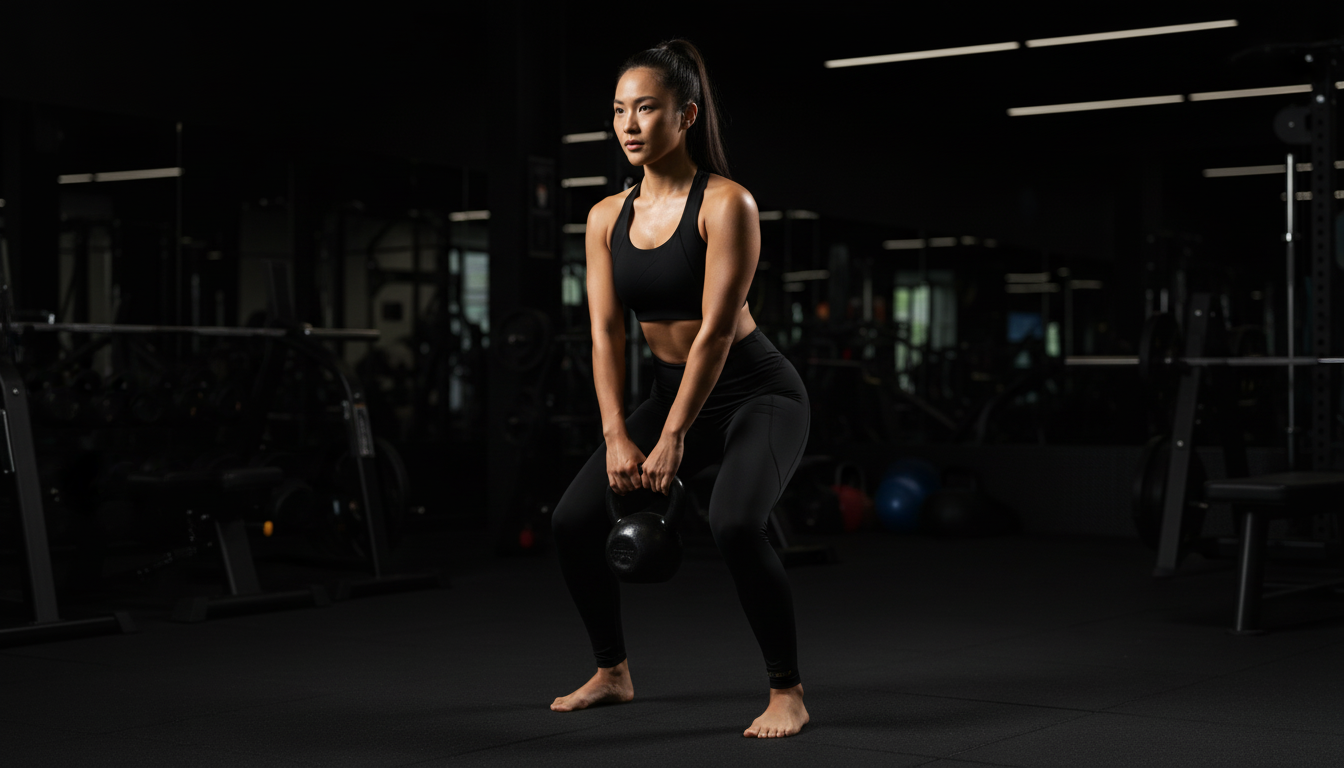
For example, a minimalist gym wardrobe might include a few pairs of black leggings, a couple of fitted t-shirts or tanks in white or grey, and a well-constructed sports bra in a neutral color. These pieces are intentionally chosen because they work for a variety of activities—yoga, running, lifting weights, or even casual wear. This stands in contrast to owning separate, highly stylized outfits for each activity or trend. By focusing on essentials, you not only eliminate the stress of choosing what to wear but also ensure your clothing can keep up with your changing workout needs.
Minimalism in activewear is also about conscious consumption. Instead of buying into every new release or seasonal colorway, a minimalist approach means curating your wardrobe slowly and intentionally. This often leads to more satisfaction, as each piece serves a clear purpose and brings genuine value. For many, this is not just about aesthetics but about aligning their clothing choices with their values—such as simplicity, mindfulness, and environmental responsibility.
What Are the Key Benefits of Minimalist Activewear?
- Reduced Decision Fatigue: With fewer, more versatile pieces, choosing workout outfits becomes quicker and easier.
- Greater Versatility: Minimalist styles, often in neutral tones, blend seamlessly from gym to street or casual settings.
- Improved Comfort and Performance: Minimalist activewear often prioritizes soft, functional fabrics and ergonomic fits, enhancing comfort and movement (LSMWEAR).
- Sustainability: Investing in fewer, higher-quality items reduces overconsumption and waste, aligning with sustainable fashion values.
- Cost-Effectiveness: Fewer, multipurpose pieces can mean less money spent over time, as each item is worn more often and lasts longer.
For instance, when your wardrobe is reduced to a few high-quality staples, there’s no second-guessing or wasted time deliberating between options. If you know that every top matches every pair of leggings or shorts, you can grab and go, which is especially helpful for early morning workouts or busy schedules.
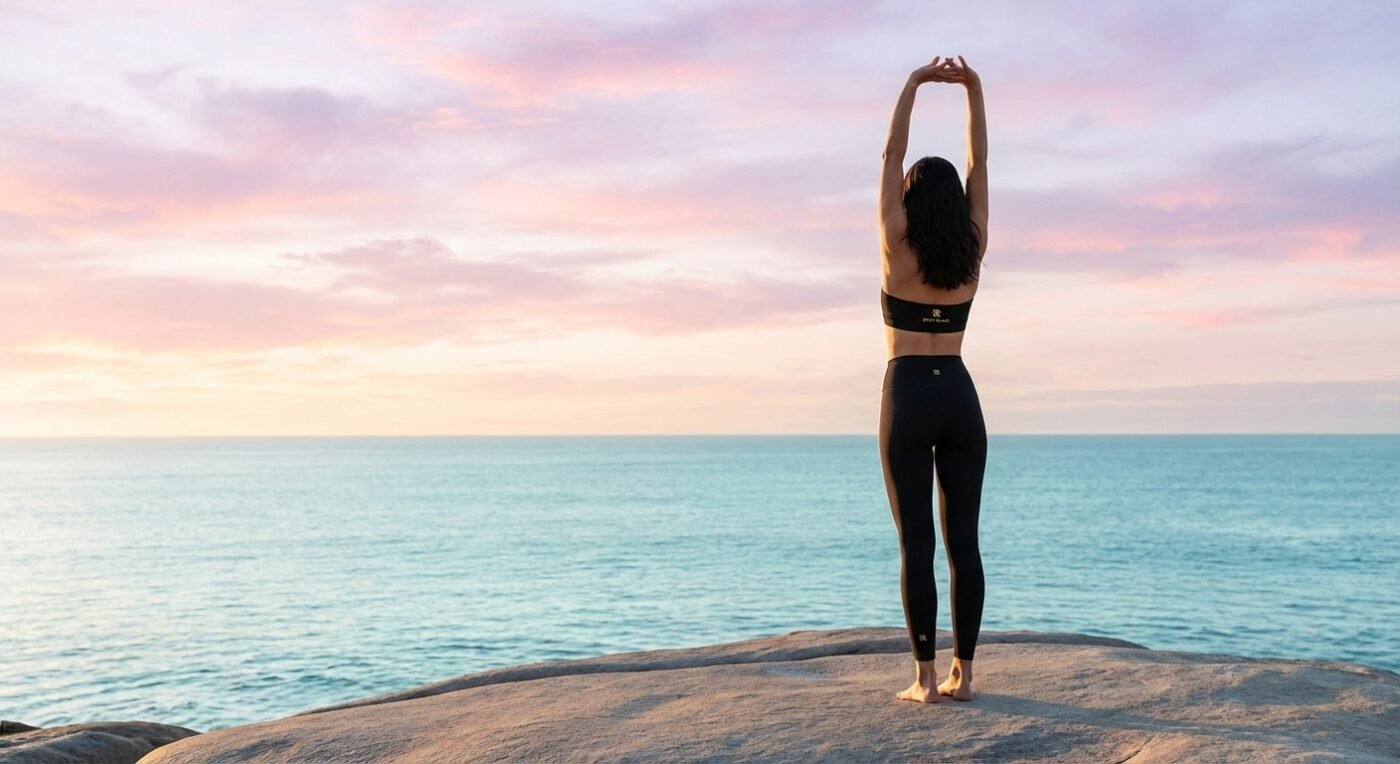
Versatility is another hallmark of minimalist activewear. Neutral color palettes and classic silhouettes mean you can go from a yoga class to running errands or meeting a friend for coffee without feeling out of place. For example, a pair of black leggings paired with a sleek tank top can look just as appropriate at a casual lunch as it does in the gym. Many minimalist brands design pieces to serve this “athleisure” purpose, blurring the lines between workout apparel and everyday wear.
Prioritizing comfort and performance is central to the minimalist philosophy. Rather than focusing on flashy designs, minimalist activewear is often engineered for movement and longevity. Fabrics like moisture-wicking nylon or recycled polyester, flat seams to prevent chafing, and thoughtful construction all contribute to a more enjoyable workout experience. For example, LSMWEAR’s seamless leggings use a four-way stretch fabric that moves with your body while maintaining their shape wash after wash.
Sustainability is increasingly important to consumers, and minimalism naturally supports eco-friendly practices. When you buy fewer items but demand higher quality, you reduce the frequency of replacements and the amount of textile waste. Some minimalist activewear brands use recycled materials, implement ethical production practices, and offer repair or recycling programs. By extending the life of your clothing and avoiding fast fashion cycles, you make a meaningful contribution to reducing fashion’s environmental footprint.
Cost-effectiveness is another practical benefit. Although premium minimalist activewear can be more expensive upfront, the cost per wear is often lower than with cheaper, trend-driven pieces. For example, a well-made pair of leggings might cost twice as much as a fast fashion option, but if it lasts three times as long and serves multiple purposes, it represents better value in the long run. This mindful approach often leads to fewer impulse buys and more satisfaction from each purchase.
How Do You Build a Minimalist Activewear Wardrobe?
- Assess Your Activities: List your main workouts or sports to identify essential clothing types (e.g., leggings, sports bras, shorts).
- Choose a Neutral Color Palette: Opt for black, gray, white, or earth tones to increase mix-and-match options (Endless Active).
- Select Multi-Functional Pieces: Look for items that transition easily from the gym to daily life, such as seamless leggings or minimalist tanks.
- Prioritize Quality Over Quantity: Invest in durable, high-performance fabrics that retain shape and comfort after repeated use and washing.
- Edit Regularly: Periodically review your wardrobe to donate or recycle items you no longer wear, keeping only what you genuinely use.
Building a minimalist activewear wardrobe starts with understanding your personal fitness routine and lifestyle. For example, if you primarily practice yoga and occasionally go for a run, your essentials will differ from someone who trains for triathlons. Start by making a list of your weekly activities and noting what you truly need. This may include a couple of pairs of leggings, a supportive sports bra, a few tops, and one or two layering pieces like a lightweight jacket or hoodie.
Choosing a neutral color palette is a foundational step. By sticking to blacks, greys, whites, and earth tones, you maximize outfit combinations and ensure your activewear doesn’t clash with other clothing in your wardrobe. For example, a grey tank top can be layered over a black sports bra and paired with olive green leggings for a look that is both cohesive and understated. Brands like Endless Active curate collections in neutral hues specifically for this purpose.
When selecting multi-functional pieces, look for garments that easily shift from workout to leisure. A seamless tank top or pair of high-waisted leggings can be styled for the gym, then paired with a casual jacket or sweater for errands or social events. Consider pieces with subtle design features—such as hidden pockets or convertible straps—that increase their utility without adding bulk or complexity. For instance, a minimalist zip-up jacket can serve as a warm-up layer at the gym and a casual top on weekends.
Quality should always take precedence over quantity. Examine seams, fabric weight, and stretch retention before purchasing. High-performance fabrics like merino wool, bamboo, or technical synthetics often offer better breathability, moisture management, and durability. It’s better to own a single pair of leggings that maintains its fit and color after dozens of washes than to cycle through several lower-quality pairs that lose their shape. Read reviews, feel the material in person if possible, and check for ethical manufacturing certifications to ensure you’re investing wisely.
Regular editing keeps your wardrobe streamlined and functional. Set aside time every few months to assess what you’re actually wearing. If you notice a pair of shorts or a sports bra hasn’t left the drawer in ages, consider donating it or recycling through a textile program. This practice helps prevent clutter and ensures your wardrobe only contains items you love and use, reinforcing the minimalist mindset.
For a practical example, imagine someone who has built their minimalist activewear wardrobe over the course of a year. They started by paring down to two pairs of black leggings, two neutral sports bras, three versatile tops, and a jacket. Over time, they noticed which items were worn most often and which weren’t essential. By resisting the impulse to buy new, trendy pieces, they kept their collection focused and found they felt more satisfied and less overwhelmed when choosing what to wear.
How Does Minimalist Activewear Compare to Trend-Driven Styles?
| Minimalist Activewear | Trend-Driven Activewear |
|---|---|
| Timeless, neutral colors | Bold patterns and colors |
| Simple, classic silhouettes | Frequent changes in cuts and embellishments |
| Multipurpose, easy to mix and match | Specific to a season or trend |
| Focus on quality and longevity | Prioritizes latest styles, may sacrifice durability |
| Reduced wardrobe clutter | Wardrobe turnover is higher |
The distinction between minimalist and trend-driven activewear is evident not just in appearance but in the overall experience and impact on your lifestyle. Minimalist activewear focuses on timelessness—these are pieces designed to outlast fleeting trends. For instance, a black racerback tank or plain grey joggers remain stylish and functional year after year, regardless of changing fashion cycles. In contrast, trend-driven activewear often features seasonal prints, neon colors, or unconventional cuts that may feel outdated after a few months. This can lead to a constant cycle of buying and discarding, which not only clutters your wardrobe but also contributes to environmental waste.
Classic silhouettes in minimalist collections are intentionally simple, such as straight-leg pants or fitted tees, making them easy to layer and pair with other essentials. For example, a minimal crop top can be paired with high-rise leggings for a workout or jeans for a casual outing, maximizing versatility. Trend-driven styles, on the other hand, might include exaggerated mesh panels, cutouts, or graphic logos, which can limit their wearability and make them harder to mix and match.
From a quality perspective, minimalist activewear brands often invest in premium materials and construction techniques, ensuring their products withstand repeated use and washing. This focus on longevity is a deliberate response to the fast fashion mentality that dominates much of the trend-driven market, where the emphasis is on quick turnover and novelty rather than durability. For example, a minimalist brand might offer a lifetime guarantee or repair service, standing behind the longevity of their products, while trend-driven brands may lack these assurances.
Another key difference is the psychological effect on the wearer. Minimalist wardrobes minimize decision fatigue and create a sense of calm and order, while trend-driven collections can foster a feeling of “never enough,” as you chase the latest releases and limited editions. The minimalist approach encourages mindful consumption and satisfaction with what you have, rather than constant desire for something new. This shift in mindset is often reported as a major benefit by those who adopt a minimalist activewear philosophy.
In terms of sustainability and ethics, minimalist activewear aligns more closely with eco-conscious consumer values. Trend-driven brands may produce large quantities of disposable fashion, contributing to landfill waste and unsustainable manufacturing practices. Minimalist brands, conversely, focus on ethical sourcing, responsible production, and waste reduction. For example, some use recycled or organic materials and limit production runs to avoid excess inventory. These choices support a more responsible, environmentally aware approach to fashion.
What Are Some Practical Tips for Embracing Minimalism in Activewear?
- Start by paring down your existing collection, identifying your most-used and versatile pieces.
- Shop with intention: before buying, ask if the item can pair with at least three outfits you already own.
- Favor brands that specialize in minimalist designs and high-quality fabrics, such as those offering seamless, “second skin” styles (LSMWEAR, Bellissima).
- Consider layering options to adapt your minimalist wardrobe for different seasons or workout intensities.
- Maintain your activewear by following care instructions closely, prolonging the life of each piece.
To effectively embrace minimalism in your activewear, begin with a thorough audit of what you already own. Lay out all your gym clothes and honestly assess which pieces you reach for most. You might discover that you wear the same two pairs of leggings and three tops for nearly every workout, while the rest of your collection sits unused. Donate or recycle anything that doesn’t fit, isn’t comfortable, or doesn’t align with your ideal wardrobe. This process not only clears physical space but also helps clarify your style preferences and needs.
Intentional shopping is crucial for maintaining a minimalist wardrobe. Before making a purchase, pause to consider whether the item complements your existing pieces. For instance, if you’re eyeing a new sports bra, ask yourself if it fits seamlessly with your usual leggings and tops. If it can’t be worn in at least three different outfit combinations, it might not be necessary. This approach prevents impulsive buys and keeps your collection cohesive and purposeful.
When selecting new pieces, prioritize minimalist-focused brands known for quality and thoughtful design. LSMWEAR and Bellissima, for example, are recognized for their clean aesthetics, neutral color palettes, and commitment to comfortable, high-performance fabrics. Seamless construction—where garments are knit in one piece rather than sewn together—can increase durability and provide a smooth, “second skin” feel. These details make a tangible difference in comfort during high-intensity workouts and ensure longevity.
Layering is an effective strategy for adapting your minimalist wardrobe to changing seasons and activity levels. Invest in a few lightweight, breathable base layers for summer and add a neutral-colored sweatshirt or zip-up jacket for colder months. Versatile pieces like a long-sleeve top or a moisture-wicking hoodie can be worn alone or layered for warmth, ensuring you’re prepared for any weather without overstuffing your closet.
Proper care is another way to extend the life of your minimalist activewear. Follow washing instructions carefully—most performance fabrics last longer when washed in cold water and air-dried. Avoid fabric softeners, which can damage technical fibers and reduce moisture-wicking properties. For example, turn leggings inside out before washing to preserve color and elasticity, and wash similar colors together to prevent fading. By maintaining your clothing, you reduce the need for frequent replacements and uphold your commitment to sustainability.
Lastly, embrace the mindset that less is more. Minimalism isn’t about deprivation; it’s about curating a collection that truly works for your life. Celebrate the freedom that comes from knowing every item in your wardrobe serves a purpose. Over time, you’ll find that you feel more confident, comfortable, and focused—both in the gym and beyond—because your clothing reflects intentional choices and values.
Minimalist Activewear FAQ
Is minimalist activewear suitable for all types of workouts?
Minimalist activewear is designed to be versatile and can suit most workouts, from yoga to running. However, for specialized activities like high-intensity training or outdoor adventures, you may need specific features like extra compression or weather resistance.
How many pieces do I really need for a minimalist activewear wardrobe?
The ideal number depends on your workout frequency and laundry habits. Many find that 5-10 core pieces—such as a few tops, leggings, and a jacket—are sufficient for most routines.
Does minimalist activewear cost more than regular activewear?
Minimalist activewear can sometimes have a higher upfront price due to quality materials and construction. However, the long-term cost may be lower, as these pieces are designed for frequent use and durability.
Can I mix minimalist activewear with other styles?
Yes, minimalist activewear's neutral colors and simple designs make it easy to pair with trendier items or accessories. Many people use minimalist basics as the foundation for more expressive looks.
Sources
- LSMWEAR | Minimalist Activewear Perth | Second Skin Feel
- Endless Active : Minimalist Activewear | ENLSS
- Minimalist Activewear | Bellissima – Bellissima
