


The Power of Wearing Black: Unpacking Style, Psychology, and Everyday Confidence
Aug
Why Black Endures: Style, Substance, and the Human Psyche
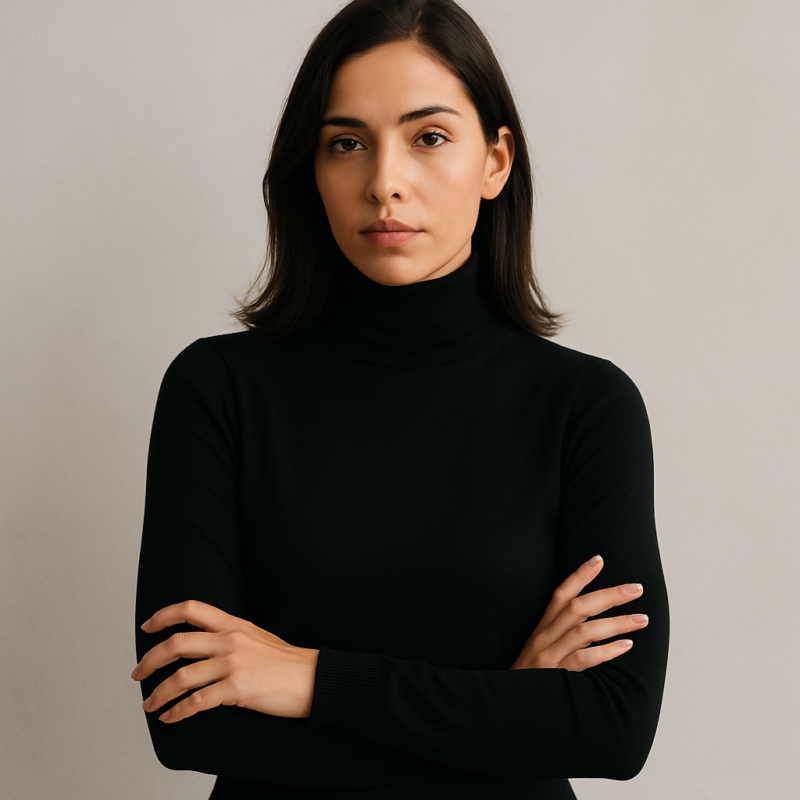
Let’s be honest—wearing black isn’t just about grabbing a basic shirt off the rack. There’s a reason this color has been a staple for centuries, woven deeply into the worlds of art, culture, and our sense of self. Think about it: from Audrey Hepburn’s legendary little black dress to the ever-classic black suit, black clothing rarely fades from relevance. It’s almost like black is its own language. We’ve all seen those people who just seem to own the room in all-black ensembles. But what is it about black that gives it so much impact? Drawing from years of observing style and human behavior, we’ve come to see black as both a mirror and a kind of armor—a color that can project strength, spark curiosity, or simply provide comfort. So, why does the power of wearing black persist, and how does it play out across fashion, psychology, and everyday life? Let’s dive in and find out what makes black such a compelling, enduring choice for so many people.
The Visual Impact of Black: Elegance, Versatility, and Practicality
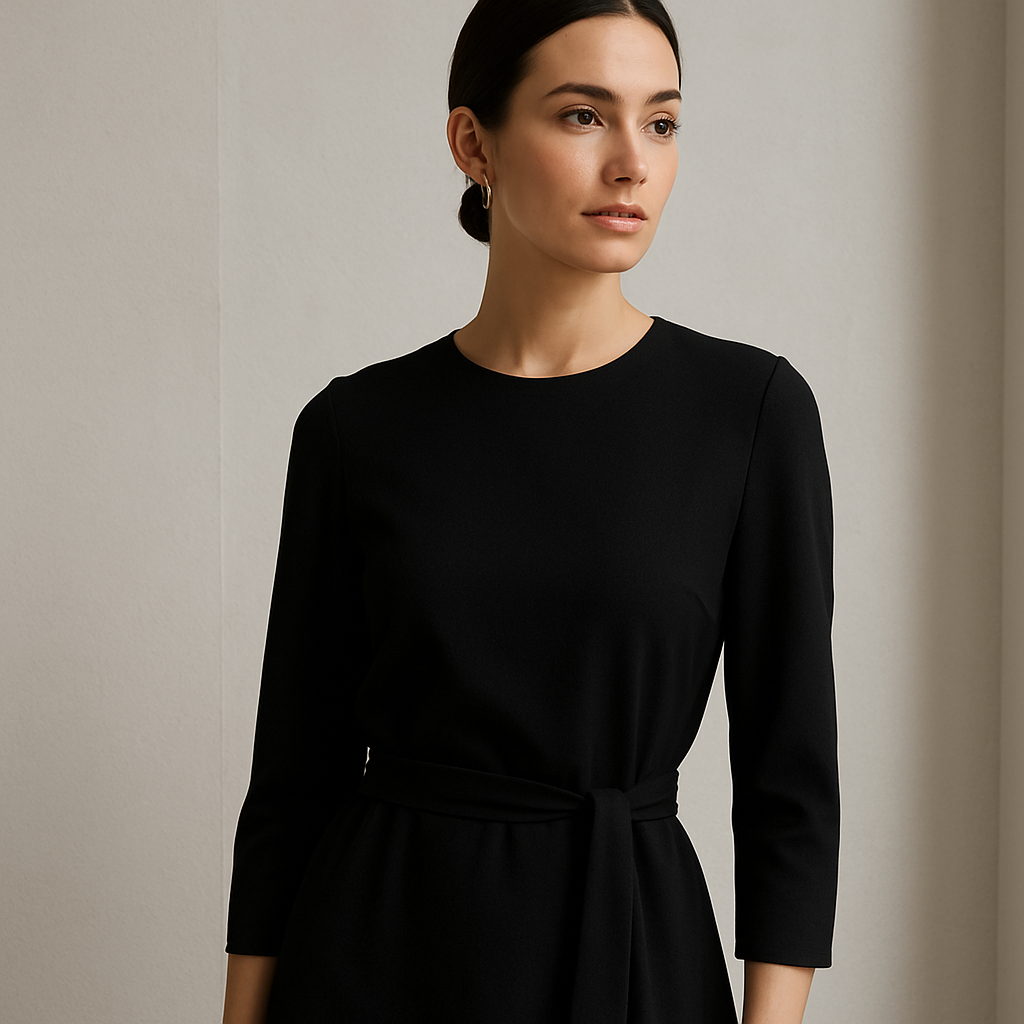
There’s something almost magical about the way black commands attention. Fashion designers and stylists just keep coming back to it, and it’s not hard to see why. Black somehow manages to flatter the wearer, fade into the background, and stand out—all at once. Take the iconic little black dress—Coco Chanel introduced it back in the 1920s, and it’s been a universal go-to ever since. The beauty of it? It works for practically any occasion and on pretty much anyone. Even today, black is often our first pick for both a big corporate meeting and a night out. Sure, there’s the whole “black is slimming” thing (and let’s be real, that never hurts), but we think the real magic is in how black acts as a blank canvas. It lets your personality, your accessories, and even the way you carry yourself stand out front and center.

We see black at work in pretty much every industry. In creative fields—architects, designers, photographers—black almost becomes a uniform. It sends a no-nonsense message: “I’m here for the work, not the show.” In hospitality and service jobs, black signals tidiness and professionalism. And let’s not forget casual wear—a well-cut black tee or a pair of black jeans can instantly upgrade a look without looking like you tried too hard (even if you totally did). On a more practical note, especially when traveling, black is a lifesaver. It hides stains, goes with absolutely everything, and always looks intentional. Honestly, if you’ve ever tried to pack light, you know what we’re talking about.
And then there’s the practical side—a life hack of sorts. Anyone who’s ever had the absolute misfortune of spilling coffee on a white shirt can appreciate the relief that black brings. Black pieces aren’t just low-maintenance when it comes to stains; they also age well, quietly hiding small rips or faded spots that would scream for attention on lighter clothes. Especially for city dwellers, where a fine layer of dust and grime is just part of the daily scenery, black is invaluable. All things considered, black isn’t just a stylish choice—it’s a smart one, too.
The Psychology of Black: Authority, Mystery, and Emotional Resonance
It’s impossible to overlook the psychological punch that comes with wearing black. Color psychology research shows that black’s linked to power, elegance, and—let’s admit it—a dash of rebellion. Why else would formal wear almost always default to black, whether we’re talking about a corporate boardroom or the red carpet at an awards show? When you throw on black, you’re not just wearing a color; you’re tapping into centuries of symbolism. Think about the gravity of judges’ robes, academic gowns, or heads of state in crisp black suits. Black has a way of commanding respect, often with just a glance.
But the psychology of black doesn’t stop at power. There’s a whole other side to it—one that artists and musicians have embraced for generations. Think Johnny Cash’s “Man in Black” persona or Grace Jones’s striking, all-black looks. Black can signal creativity, mystery, even a refusal to fit the mold. Over the years, we’ve noticed that clients and colleagues often turn to black when they need to feel grounded or in control, especially in situations that feel unpredictable. There’s a protective quality to it—almost like slipping on an invisibility cloak that lets you set the boundaries. At the same time, black can be deeply comforting for folks who feel anxious about standing out. Sometimes, blending in means feeling safe.
And let’s not forget how black speaks when words fail. In times of grief, black is a nearly universal signal of mourning. It’s a tradition that, while somber, helps people acknowledge loss and come together in ritual. On the flip side, black outfits are often the uniform of choice for those drawn to alternative scenes or countercultures—a kind of silent protest or declaration of identity. Whether it’s expressing sorrow or making a statement, black lets us communicate things we might never say out loud.
Wearing Black in the Real World: Stories from Fashion, Work, and Everyday Life
The power of black isn’t just academic—it plays out in the messiness and unpredictability of real life every single day. Take the workplace, for example. We’ve worked with countless job seekers who choose black suits for interviews, banking on the color’s reputation for authority and self-assurance. I remember one client, a software engineer, who switched from navy to black and immediately started feeling more assertive in meetings. He told us he could sense a shift—not just in his own mindset, but in the way his coworkers responded to him.
In creative industries, black isn’t just a color; it’s almost a secret handshake. I still remember walking into a massive design conference last year and feeling like I’d stepped into a sea of black. But here’s the thing: despite the monochrome palette, everyone managed to stand out with little touches—different fabrics, interesting shapes, unexpected accessories. Somehow, black became a unifying theme, creating an atmosphere of both individuality and team spirit.
And then there’s everyday life, where black is the quiet hero. Parents navigating work, school runs, and last-minute dinner plans often reach for black because it just makes life simpler. One friend of mine, who juggles running her own company and raising kids, swears by her collection of black staples. She says it frees up her mental energy for decisions that actually matter (like, you know, keeping the business afloat). Even on something as simple as a dinner date, a thoughtfully chosen black shirt or dress can change the whole dynamic—inviting intimacy, sparking conversation, or just making you feel that much more put-together.
- Event Staff and Uniforms: There’s a reason event staff—everyone from waiters to bouncers—tend to wear black. It sends a message of professionalism while staying out of the spotlight, letting the guests and the event itself shine.
- Performers and Public Speakers: Musicians, actors, and speakers often choose black for the stage. It adds drama and makes sure the focus stays on their expressions, movements, or message—not on a distracting outfit.
Making Black Work for You: Practical Tips and Thoughtful Choices
Wearing black with intention—now that’s where the magic really happens. It’s easy to reach for black by default, but the key is to use it thoughtfully, so it suits your style, your mood, and whatever context you find yourself in. If you’re new to the world of black (or just want to refresh your approach), start small. Grab one or two well-made essentials—a sharp blazer, a go-anywhere dress, or a pair of perfectly-fitted trousers. The fit and fabric matter more than you might think; black can end up looking flat or lifeless if the cut is off or the material is cheap. Play with textures—think mixing a matte cotton tee with a sleek leather jacket, or pairing a chunky knit with crisp black slacks. This is how you add dimension and keep things interesting, even if you’re decked out in head-to-toe black.
Don’t forget about accessories! Black is the ultimate blank slate, so you can go wild with statement jewelry, bold footwear, or a pop of color—maybe a bright scarf or an eye-catching bag. We’ve watched clients completely transform a basic black outfit with a single sparkly necklace or a cool pair of shoes, shifting the whole vibe from serious to fun in no time. And if you’re into experimenting with makeup or hair, black outfits pretty much beg for a dramatic lip, a smoky eye, or a sleek updo.
Of course, black doesn’t have to be everyone’s go-to. Some people find it a bit harsh, especially in bright light or warmer climates. If that sounds like you, try softer shades like charcoal, graphite, or even mix in other neutrals to break up the intensity. The bottom line? The real power of black lies in how it makes you feel. If you walk out the door feeling a little more confident, comfortable, or authentically yourself, then you’re absolutely doing it right. Black is just a color—but in the end, it’s also whatever you make of it.
